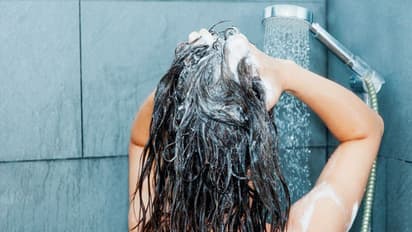
Shampooing habits vary, from daily to weekly washes. This post clarifies the ideal shampooing frequency based on hair type and scalp conditions, weighing the benefits of cleanliness against the risks of dryness and damage.
Shampoo plays a vital role in hair care. Most people use shampoo while bathing. Those who don't use shampoo might use soap nuts. People use something for their hair. But many are unaware of when to shampoo. Some shampoo daily, while others do it weekly. This post explains when and how to use shampoo for hair care.
27
Daily shampooing removes sweat, dirt, and oil, keeping the scalp cool and refreshed. Use shampoo daily to prevent dirt and odor buildup.
37
Our scalp produces natural oils to keep hair moisturized. This makes hair oily and loose. Daily shampooing controls oiliness, but this isn't for everyone. It suits those with oily hair. Some develop dandruff, itching, or fungal infections due to excess oil and sweat. Daily shampooing can prevent these issues. For those exposed to daily pollution, shampooing helps protect hair from dirt.
Frequent shampooing removes natural oils, causing dryness and hair loss. Harsh chemicals in shampoos can irritate the scalp. Loss of moisture can lead to redness, itching, and peeling. It weakens hair.
57
Many with curly hair prefer weekly shampooing to retain the scalp's natural oils. Weekly washing allows these oils to spread, reducing hair fall. Sulfates and parabens in shampoos cause dryness. Less frequent use keeps hair strong.
67
Weekly shampooing can leave oily hair greasy and less voluminous. Sweat and dead skin cells can accumulate, causing irritation, itching, and dandruff.
77
Oily hair? Shampoo every other day to control oil. Dry or curly hair? Shampoo once or twice a week to retain moisture and reduce hair fall. Thin hair absorbs oil quickly, so wash every one or two days. Thick or coarse hair? Shampoo weekly with a sulfate-free, low-chemical shampoo.