Cyanide Millipede: What Is This Monsoon Bug, Is It Poisonous And Does It Bite?

Published : Oct 02, 2026, 12:10 PM IST

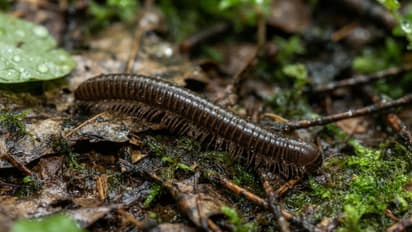
Cyanide Millipede: People in different regions call this bug by different names like glass worm and thousand-legged bug. You often spot them around your house during the monsoons. But are these bugs actually dangerous? Do they bite humans?
PREV
14
Cyanide Millipede: What Is This Monsoon Bug, Is It Poisonous And Does It Bite?

You notice their legs first when you look at this bug. People call it the cyanide millipede in English. The name suggests a thousand legs, but that is not entirely true.

Leg count changes based on the species. Some bugs have hundreds of legs, while others have fewer. Only a few rare species actually cross the thousand-leg mark. These bugs also grow new body segments and legs as they age. So, younger bugs naturally have fewer legs.

This bug never chases or attacks humans. It simply eats fallen leaves, decaying plants, and organic matter on the ground. But the bug uses a special defense trick when it senses danger.

Some millipede species release foul-smelling chemicals from their bodies. These chemicals keep predators away. The liquid can irritate human skin. You might experience burning, redness, or itching if you touch it. The chemical causes even more trouble if it gets into your eyes. You should always keep your distance instead of picking them up.

24
Are These Bugs Poisonous?

Many people believe that touching this bug causes death or poisons food instantly. You need to understand the science behind common millipedes. They do not bite and inject venom like snakes or scorpions. But their defense chemicals are not completely harmless either. The effect depends on the exact species. People with sensitive skin face more issues. You must wash your hands thoroughly if you accidentally touch this bug. You should also keep children and pets away from them. Wash your eyes with plenty of water and consult a doctor if the chemical reaches your eyes.

34
Do Other Animals Eat Them?

You often hear people say that no bird or animal touches the glass worm. Nature does not work with such strict rules. The chemical smell definitely keeps some predators away.

But frogs, lizards, spiders, ants, and certain birds actively hunt and eat millipedes. Some creatures naturally tolerate these defense chemicals. We also have no strong proof that a millipede makes food deadly just by crawling over it. You should still throw away contaminated food for basic hygiene, rather than fearing deadly poison.

44
They Are Very Useful To Nature

Most people immediately kill these bugs when they enter the house. But millipedes play a massive role in nature. They mainly eat fallen leaves, rotting wood, and plant waste. Their feeding breaks down large plant waste into smaller pieces. Microbes then break this down further and return nutrients to the soil. Millipedes are also one of the oldest living creatures on Earth. Scientists found millipede fossils dating back hundreds of millions of years. These bugs roamed the Earth long before humans arrived.

How to keep them out of your house?

Damp spots, leaf piles, and organic waste create the perfect home for these bugs. You must clear stagnant water around your house. Remove old leaves and garbage piles. Seal small gaps near your doors and windows. You do not need to panic if you see one bug inside. Just sweep it outside gently without touching it. You must strictly tell children not to pick up every bug they see. Do you know what people call these bugs in your area?

Read more
Read more Photos on

Recommended Stories