How Climate Change Is Affecting Our Diets - And Why We Must Act Now

Published : Aug 12, 2025, 12:41 PM IST

Climate change is significantly impacting food prices and availability due to extreme weather and disruptions to food systems. Explore the potential of plant-rich diets to build a sustainable future. Learn how you can make a difference today.

PREV
15
Climate Change

Climate change affects our daily lives in ways we may not even realise. It is already making the food we buy more expensive, and if we don’t act soon, things could get much worse. This adds much stress to the ongoing cost-of-living crisis. According to researchers, about a third of the food price rises in the UK during 2023 were caused by climate related problems.

As we continue to neglect climate change and as the planet gets warmer, extreme weather conditions are damaging our crops and disrupting food supplies. Even in wealthy countries like the UK, food shortages and higher prices could lead to social unrest. According to experts, in time, large parts of the world might no longer be suitable for farming at all due to the extreme damage.

DID YOU KNOW ?
High CO₂ Level Is Making Our Food Less Nutritious
Studies show rising CO₂ levels can lower the protein, iron, and zinc content of crops like wheat and rice.
25
How Our Diets are Changing?

It's not a hidden fact that more frequent storms, floods, droughts, and heatwaves are making it harder to grow food. These problems aren’t just predictions for the distant future but they’re happening right now. And as experts say, it’s not just the weather; climate change is helping pests spread faster and damaging the roads and systems we use to store and transport food. In short, things could get worse than what current models suggest.

One study found that 40% of UK food specialists think we could see social unrest linked to food issues within the next 10 years. Over a longer period, say 50 years, that figure rises to 80%. If nations don’t act now, food could become increasingly expensive.

35
What a Plant-Rich Diet Could Do

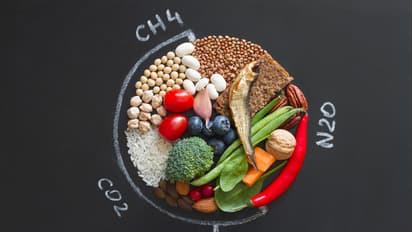
Scientists say we can still make a big difference and bring a change. One of the most effective ways to reduce the impact our food has on the planet is to eat more plant-based foods and less meat and dairy. This doesn’t mean everyone has to go vegan or even vegetarian. Just cutting back on animal products and including more fruits, vegetables, grains, and legumes can have a major positive effect. Switching to more plant-based meals allows us to use land more wisely, grow more food, and reduce our environmental impact.

45
What Your Meal Should Look Like

The diet studied by scientists included some meat and dairy, like a hamburger every two weeks, just in smaller, healthier amounts. Adopting a balanced change would also reduce overall food costs since plant-based produce are cheaper to buy.

Research shows that if people in the UK shifted to a more plant-rich diet, large areas of land would free up to grow more crops. This would be helpful as climate change makes farming harder. The rest of the land could be used to support nature and biodiversity.

55
A Better Future Within Reach

Through this change, farmers could also be supported to grow different crops, protect natural spaces, and even help manage flooding. This would require future planning, with government support and public interest working together.

Adapting to the changing environment early can help us take control of our future. And it all starts with having more plants in our diets. Researchers say that some countries are already leading the way. For example, Denmark, known for its pig farming, has created national plans to encourage plant-rich diets. They’re doing everything from helping chefs create greener meals to prioritising organic food in public services.

It’s about adapting, improving our health, and protecting the planet. If we act now, we can create landscapes full of life, improve our diets, and build a more secure future.

Source: Phys.org

Read more Photos on

Recommended Stories