Graves in Front of Homes! Why Does This Andhra Pradesh Village Follow This Strange Custom?
Published : Oct 19, 2026, 01:12 PM IST
Why are people buried in front of their homes in Ayyakonda village, Kurnool? Discover the unusual burial tradition that has sparked curiosity and learn about the local customs and beliefs behind this intriguing practice.
14
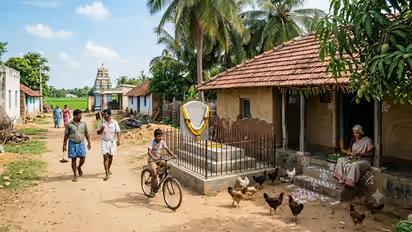
Strange tradition in Ayyakonda village
Some traditions sound completely shocking when you first hear about them. You will find one such unique practice in Ayyakonda village of Kurnool district. Families usually take their dead to a cremation ground. But residents here bury their family members right in front of their main doors. We will explore the actual story behind this unusual custom.
Stay updated with the Breaking News Today and Latest News from across India and around the world. Get real-time updates, in-depth analysis, and comprehensive coverage of India News, World News, Indian Defence News, Kerala News, and Karnataka News. From politics to current affairs, follow every major story as it unfolds. IMD cities weather forecastsRain Cyclone Asianet News Official App
Read more
Read more Photos on