India Weather Update: India Records Hottest August in Over A Century; Forecasts Below Normal Monsoon
Published : Sep 01, 2026, 12:47 PM IST
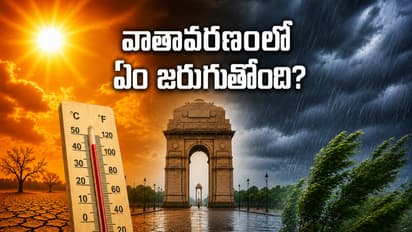
India Weather Update: India just went through its hottest and driest August in 125 years. The India Meteorological Department (IMD) has some bad news for September too, with predictions of below-normal rainfall
15
El Nino
Scientists say a strong El Niño in the Pacific Ocean is the main culprit behind this weather shift. This August, India experienced its hottest and driest conditions in over a century, a stark contrast to the expected monsoon downpours. The trend of below-normal rainfall is expected to continue into September.
Stay updated with the Breaking News Today and Latest News from across India and around the world. Get real-time updates, in-depth analysis, and comprehensive coverage of India News, World News, Indian Defence News, Kerala News, and Karnataka News. From politics to current affairs, follow every major story as it unfolds. IMD cities weather forecastsRain Cyclone Asianet News Official App
Read more
Read more Photos on