
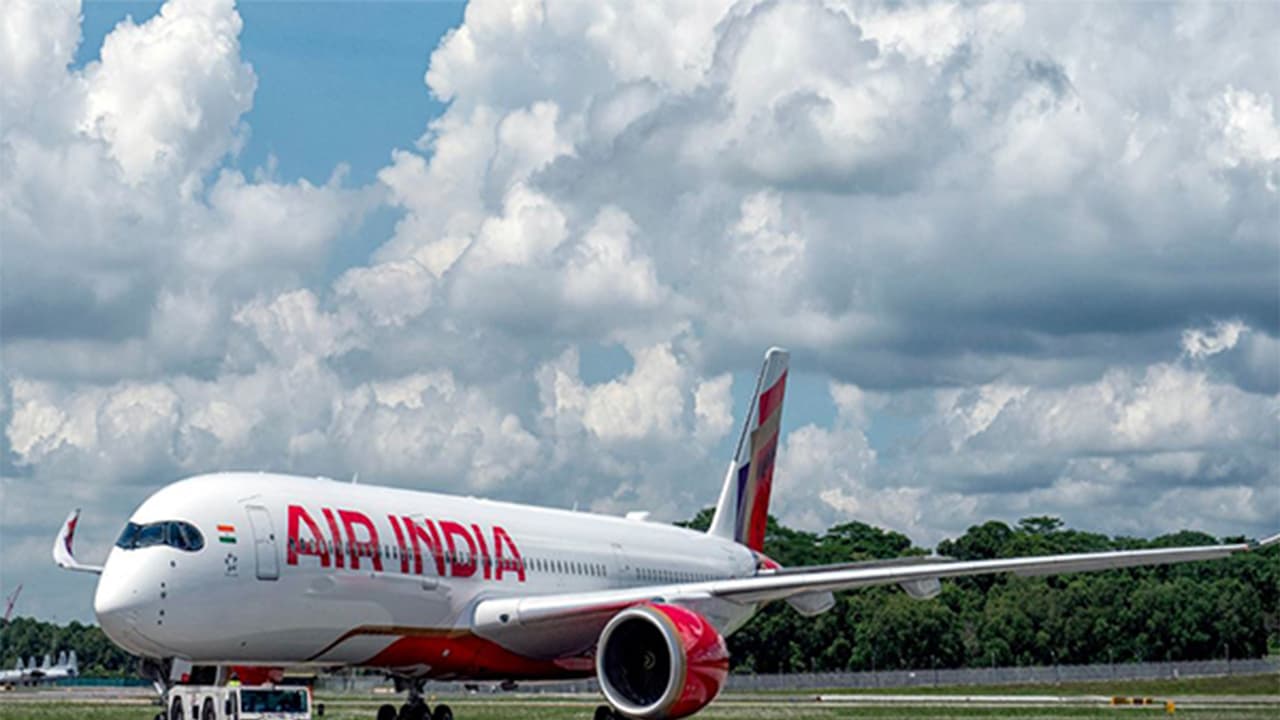
The Iran-US-Israel conflict has triggered global aviation chaos with airspace closures and flight cancellations. Indian carriers cancelled 279 international flights, though some essential services, like at Trichy Airport, continue to operate.
The escalating conflict involving Iran, the United States and Israel has continued to reverberate through global aviation networks, forcing widespread airspace closures, flight cancellations and rerouting across Middle East corridors and beyond.
As of March 9, civil aviation authorities and international carriers are still navigating the fallout from over a week of intensified hostilities, including military strikes and retaliatory actions that have reshaped regional air connectivity.
Impact on Indian Aviation and Official Response
The Ministry of Civil Aviation earlier said that carrier operations from West Asia to India are being continuously assessed for safety and feasibility, with approximately 50 inbound flights planned on 9 March while the crisis persists.
At the same time, Indian airlines were reported to have cancelled 279 international flights on Sunday due to airspace closures and restrictions linked to heightened tensions in the Gulf region.
The Civil Aviation Ministry confirmed that disruptions have affected several sectors of the aviation network, with many routes either halted or subject to significant delays as authorities reroute aircraft around conflict zones and high-risk airspace corridors.
Efforts to Maintain Essential Connectivity
Despite these challenges, Trichy Airport data shows that up to eight flights as operating on March 9 2026, indicating continued efforts to maintain essential connectivity amid uncertainty.
These scheduled services reflect a selective resumption of routes and underscore airlines' attempts to balance operational continuity with evolving security assessments.
Some carriers have reopened "safe air corridors" under strict oversight to facilitate essential flights, though many remain limited compared with normal schedules.
Economic Fallout and Traveler Advisory
Oil prices have surged and carriers face higher operational costs due to fuel and rerouting expenses, while market uncertainty continues to weigh on global air travel.
All travellers are advised to stay in close contact with airlines for the latest flight status updates and to anticipate possible changes or additional cancellations as the situation evolves.
In the meantime, airports such as Trichy remain critical nodes for connectivity, even as the wider aviation landscape adjusts to ongoing geopolitical tensions.
(Except for the headline, this story has not been edited by Asianet Newsable English staff and is published from a syndicated feed.)