How The US-Israel-Iran War Is Expanding Across 13 Countries And Hitting Global Oil Supply
Synopsis
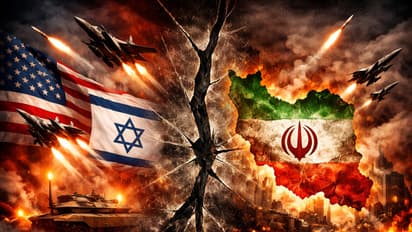
The US-Israel-Iran war has spread to 13 countries within three weeks, with over 2,100 recorded strike events. Tehran remains the hardest hit, while Iran has expanded retaliation across Israel and Gulf nations. Attacks near key oil routes and energy sites have pushed global oil prices higher.
As the the war between the United States, Israel and Iran enters Day 19, the fighting is still spreading across the region. While the number of daily attacks has slightly reduced, the conflict is reaching more places and affecting more countries. Since February 28, conflict trackers have recorded a total of 2,178 strike events, as quoted by an India Today analysis report. This includes 1,394 US-Israeli strikes and 784 retaliatory attacks by Iran and its allies. On March 17, there were 63 recorded strike events by US and Israeli forces inside Iran. In response, Iran and its allies carried out 37 retaliatory attacks across Israel and other parts of West Asia. Even though the daily numbers are lower than earlier peaks, the war is clearly growing in size and impact.
How strike events are counted
The data comes from the Armed Conflict Location and Event Data Project (ACLED). It tracks 'strike events' rather than each individual missile or bomb. A single event may include several strikes at the same place on the same day. The count also includes:
- Airstrikes
- Drone attacks
- Missile launches
- Even intercepted attacks
Because of this, the numbers show patterns and spread of war rather than exact damage.
War spreads across 13 countries
In less than three weeks, the conflict has spread to 13 countries and territories. This shows how quickly a local war can become a regional crisis. Iran’s retaliation has not stayed limited to Israel. It has reached:
- Gulf countries
- Areas with US military bases
- Key global energy routes
This wide spread is one of the biggest concerns for world leaders.
Tehran takes the heaviest blows
Iran’s capital, Tehran, has been hit the hardest. It has seen more than 460 recorded strike events, nearly one-third of all attacks on Iran. Another major target is Isfahan, a key industrial city. It is known for:
- Nuclear research
- Weapons development
Isfahan has recorded 35 strike events so far. Most attacks have focused on:
- Western Iran
- The capital region
- Industrial and military zones
In contrast, eastern Iran has seen very few strikes.
Iran hits back across the Gulf
Iran’s response has been wide and strategic. It has targeted both Israel and countries linked to the US. Israel has faced the highest number of retaliatory attacks, with around 250 strike events. At the same time, Gulf countries have also been hit. These include:
- Bahrain
- Iraq
- Kuwait
- Qatar
- Saudi Arabia
- United Arab Emirates
Together, these countries have faced over 390 attacks. Among them:
- The UAE has seen about 98 strikes
- Iraq has seen around 74
These countries host US troops and major energy facilities, making them key targets.
A second front opens in Lebanon
The conflict has now opened another front in Lebanon. Hezbollah, which is backed by Iran, has launched rockets into northern Israel. This happened after reports that Iran’s Supreme Leader had been killed in earlier strikes. In response, Israel has:
- Carried out airstrikes on Beirut
- Sent ground forces into southern Lebanon
Cities like Beirut and Damascus have also been hit, increasing fears of a wider regional war.
Why oil prices are rising
The war is now affecting global energy markets. Key reasons include:
- Attacks near Kharg Island, Iran’s main oil terminal
- Disruptions in the Strait of Hormuz
- Strikes on gas infrastructure like South Pars
The Strait of Hormuz is one of the world’s most important oil routes. A large part of global oil supply passes through it. Because of these risks:
- Brent crude has crossed $108 per barrel
- US oil prices are nearing $98 per barrel
Even small disruptions here can affect fuel prices worldwide.
Also Read: Oil Wavers, Stocks Jump As Markets Await US Fed Decision Amid War Tensions
Strait of Hormuz becomes a key concern
The Strait of Hormuz is now at the centre of global concern. Iran has effectively restricted movement through the strait. This has led to:
- Fears of oil shortages
- Higher shipping costs
- Rising fuel prices
NATO countries are now discussing ways to reopen this route safely.
Attacks on energy and infrastructure
Recent strikes have targeted major energy facilities. One major flashpoint is the South Pars gas field, which is linked to Qatar’s North Field. Attacks here are risky because:
- It is one of the largest gas reserves in the world
- It supplies energy to many countries
Qatar has called these attacks 'dangerous and irresponsible'. Iran has warned it may target more energy infrastructure across the Gulf.
Nuclear plant incident raises alarm
Iran reported a strike on its only working nuclear power plant. Thankfully, no damage was reported. However, the incident has raised global concern. International Atomic Energy Agency is closely monitoring the situation.
Russia, which helped build the plant, called the attack 'unacceptable'.
Targeted killings increase tensions
The war has also seen high-profile killings. Iran confirmed the death of intelligence chief Esmail Khatib in a strike. Israel had earlier claimed responsibility. Another senior figure, Ali Larijani, was also reported killed. Iran has promised strong retaliation. Such killings increase anger and make peace talks harder.
Impact on civilians
Civilians are also facing the effects of the war.
In Israel:
Missile attacks have killed at least 14 people
In Lebanon:
Airstrikes in Beirut have killed civilians
In Iraq:
Power supply is affected due to gas disruptions
In Iran:
Funerals are being held for top leaders
Even sports teams are affected. Members of Iran’s women’s football team returned home after seeking asylum abroad.
Global reactions and concerns
Countries around the world are reacting with concern. Germany has said it would have advised against starting the war. Russia has criticised the killing of Iranian leaders.
Sweden has protested after one of its citizens was executed in Iran for alleged spying. Leaders fear the conflict could:
- Spread further
- Disrupt global trade
- Increase energy prices
- No clear path to peace
After nearly three weeks, there is still no clear sign of peace. There are:
- No active talks
- No ceasefire plans
- No diplomatic breakthrough
At the same time:
- Targets are expanding
- Attacks are spreading
- Economic impact is growing
Iran has warned that the effects of the war will be felt worldwide.
Why this war matters globally
This conflict is not limited to one region. It matters because:
- The Middle East produces about one-third of the world’s oil
- Major shipping routes are affected
- Many global powers are indirectly involved
Even countries far away may feel the impact through:
- Higher fuel prices
- Economic slowdown
- Supply chain disruptions
Experts say the situation remains very unstable. Possible scenarios include:
- Further escalation across more countries
- Direct clashes between bigger powers
- Continued attacks on energy infrastructure
If the Strait of Hormuz remains disrupted, global oil prices may rise further. A diplomatic solution is still possible, but it may take time.
(With inputs from agencies)