Hamas Calls On Iran Not To Target Neighbouring Countries As Middle East War Widens | Latest Developments
Synopsis
Hamas has urged Iran not to target neighbours during the ongoing Middle East war, while still supporting Tehran’s right to respond to Israel and US. The rare appeal came as missile and drone attacks spread across the region and tensions rose sharply. Analysts say Hamas is trying to ease pressure from Gulf nations while staying aligned with Iran.
The Palestinian Islamist group Hamas has publicly asked Iran to avoid attacking neighbouring countries during the ongoing Middle East war. In a statement released on Saturday, the group said it supports Iran’s right to defend itself but urged Tehran to avoid widening the conflict by striking nearby states. The appeal is considered unusual because Iran has long been one of Hamas’s most important supporters. For years, Tehran has provided political backing, funding and military assistance to the Palestinian movement.
Despite this close relationship, Hamas said it was important to prevent the war from spreading further across the region.
The group said Iran has the right to respond to attacks from Israel and the United States, but added that targeting neighbouring countries could worsen tensions in the region.
The statement said the movement “calls on the brothers in Iran to avoid targeting neighbouring countries”. This was the first time Hamas has publicly made such an appeal since the war began.
Also Read: How Middle East Tensions Are Disrupting Dharwad Alphonso Mango Exports
War that began in late February continues to escalate
The current Middle East conflict began on February 28 and has since spread across several countries in the region. The war involves Iran and Israel, while the United States has also carried out military strikes against Iranian targets.
Missile and drone attacks have been reported in multiple countries, raising fears that the conflict could turn into a much larger regional war.
Hamas also used its statement to call on the international community to work towards stopping the fighting. The group urged world leaders and international organisations to take action and “halt the war immediately”.
Many countries have expressed concern that continued attacks across the region could destabilise the Middle East and threaten global security.
Hezbollah launches attacks from Lebanon
The war has also drawn in Hezbollah, a powerful armed group based in Lebanon and a close ally of Iran. Since joining the conflict, Hezbollah has launched hundreds of rockets into northern Israel.
These attacks have forced many residents in Israeli border towns to take shelter or leave their homes. In response, Israel has carried out air strikes against Hezbollah positions inside Lebanon.
According to Lebanon’s health ministry, Israeli strikes have killed nearly 800 people in the country since March 2.
The continuing exchanges of fire along the Israel-Lebanon border have raised fears that the conflict could turn into a full-scale war between Israel and Hezbollah.
Also Read: War in the Gulf and the Fragility of the Global Energy System
Hamas mourns death of Iran’s Supreme Leader
Earlier in the conflict, Hamas strongly condemned the killing of Iran’s Supreme Leader, Ali Khamenei. He was killed on the first day of the war.

Hamas described the killing as a “heinous crime” and praised Khamenei for supporting the Palestinian cause. The group said he had provided “political, diplomatic and military support” to Palestinians and their resistance movements.
For decades, Iran under Khamenei viewed support for groups such as Hamas as a key part of its strategy to challenge Israel and its allies.
His death has added another layer of tension to the already volatile conflict.
Hamas in contact with Iran and other regional powers
A Hamas official told reporters that the group has been in contact with Iranian leaders since the fighting began. The official said Hamas leaders are discussing the situation with Tehran and following developments closely.
The same source also said Hamas believes Israel is trying to create divisions between Iran and its neighbours. According to the official, Israel is attempting to “sow discord” between Iran and Arab countries in the region.
The Hamas leadership has also reached out to several governments in the Middle East. These include Qatar, Turkey and Iraq.
Hamas has urged these countries to help stop what it describes as “American and Zionist aggression” against Iran.
Iranian strikes spread across the region
The conflict has already spread well beyond Israel and Iran. Iran has launched missile and drone attacks against targets in at least ten countries across the region. Many of these attacks have targeted military bases, ports and infrastructure connected to the United States and its allies.
On Saturday, authorities in Qatar said they intercepted two missiles over the capital, Doha.
Residents reported hearing loud explosions, and officials temporarily evacuated some areas as a precaution. The incident highlighted how quickly the war is spreading across different parts of the Middle East.
Analysts say Hamas remains aligned with Iran
Despite Hamas’s request for Iran to avoid targeting neighbouring countries, experts say the group has not changed its overall position. According to Jamal al-Fadi, a professor of international relations at Al‑Azhar University in Gaza, the statement does not represent a strategic shift.
He said Hamas remains closely aligned with Iran and still views Tehran as a key supporter. However, he suggested the statement may be an attempt by Hamas to ease pressure from Gulf countries.
Several Gulf states have criticised Iranian attacks on regional targets and warned that such strikes could destabilise the region. Al-Fadi said Hamas may be trying to show that it does not support attacks on Arab states.
He also said the appeal might have come too late. According to him, Hamas should have spoken out earlier when Iranian attacks first began hitting Gulf countries.
Qatar’s long financial ties with Hamas
One of the countries Hamas contacted during the crisis is Qatar. For years, Qatar has been one of the most important financial supporters of Gaza during Hamas’s rule. Much of the funding from Qatar has been described as humanitarian aid.
The money has helped pay civil servants, supply fuel and rebuild infrastructure in the Gaza Strip. However, critics argue that because Hamas governed Gaza for many years, some of the funds indirectly strengthened the group’s political influence.
Qatar has also hosted Hamas’s political leadership in Doha.
This has allowed Hamas officials to meet foreign diplomats and take part in negotiations related to the Palestinian conflict.
Turkey’s political support for Hamas
Turkey has also maintained strong political ties with Hamas. Under President Recep Tayyip Erdogan, the Turkish government has often voiced support for the Palestinian movement.
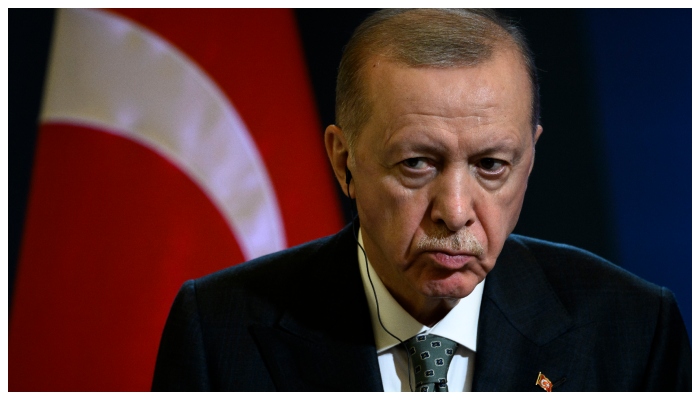
Turkey has hosted visits by Hamas leaders and provided diplomatic backing to the group. However, analysts say Turkey has not provided the same level of financial or military support that Iran has offered.
The country’s support has mainly been political and symbolic.
In a recent development, Turkish authorities said a ballistic missile fired from Iran was intercepted in Turkish airspace by NATO defence systems. This incident shows how the conflict is affecting countries far beyond the main battlefield.
Explosions reported over Jerusalem
Missile attacks have also reached Israel’s major cities. Explosions were heard over Jerusalem shortly after the Israeli military warned that incoming missiles had been detected.
Israel’s defence systems were activated to intercept the projectiles.
The Israeli military said its air defence network was working to destroy the incoming threats before they could hit populated areas. Israel has one of the world’s most advanced missile defence systems, designed to protect cities from rocket and missile attacks.
Even so, the continued exchanges of fire have created deep fear among civilians on both sides of the conflict.
Oil exports from Kharg Island continue
Despite military attacks, Iranian officials say their oil exports remain stable. According to regional authorities, export operations from Kharg Island are continuing normally. Earlier reports suggested that US strikes had targeted facilities connected to Iran’s oil exports.
However, officials said the attacks caused no casualties and did not damage key infrastructure. Iranian media said the US strikes focused only on military targets rather than oil production sites.
Oil exports from Kharg Island are extremely important for Iran’s economy, as the terminal handles a large share of the country’s crude shipments.
Medical workers killed in Lebanon
The conflict has also caused heavy losses among civilians and medical workers. Lebanon’s health ministry said Israeli strikes have killed 26 paramedics since the conflict between Israel and Hezbollah escalated.
More than 50 others have been wounded. In one of the deadliest incidents, an Israeli strike hit a healthcare centre in the southern town of Burj Qalawiya. Twelve doctors, nurses and paramedics were killed in the attack.
Another strike in the town of Sawaneh killed two paramedics linked to Hezbollah and its ally Amal.
These attacks have raised serious concerns about the safety of medical workers in conflict zones.
UAE facilities targeted amid rising tensions
The conflict has also affected the United Arab Emirates. Authorities condemned a drone attack that struck the UAE consulate in Iraqi Kurdistan. The attack injured two security personnel and damaged the building.
It was the second time in a week that the diplomatic mission had been targeted.
Meanwhile, smoke was seen rising from the direction of a major energy facility in the Emirati port city of Fujairah.
The city is home to an important oil storage and export terminal.
Officials believe the facility may have been targeted as part of Iran’s wider campaign against energy infrastructure connected to its rivals.
Iran warns UAE residents to leave port areas
Iran’s military has issued warnings to residents in the UAE. According to a statement broadcast on Iranian state television, ports and docks in the UAE could become legitimate military targets.
The military urged people to evacuate areas near ports. Iran said it was responding to US missile deployments and military facilities in the region.
Tehran said it considers strikes against these locations a legitimate form of self-defence.
France thanks Iraq after deadly drone attack
The conflict has also affected European forces stationed in the region. French President Emmanuel Macron thanked Iraq’s government for protecting French troops.
His comments came after a drone strike killed a French soldier in Iraqi Kurdistan. The soldier, Arnaud Frion, died in an attack near the city of Erbil.
Six other French soldiers were wounded.
Iraq’s prime minister has promised to take steps to prevent further attacks on foreign forces operating in the country. Macron also urged Israel and Lebanon to begin direct talks in order to reduce tensions.
He even offered to host such talks in Paris.
Israeli military operations continue
Israel has continued to carry out military strikes across the region. The Israeli army warned people living in an industrial zone in the Iranian city of Tabriz to evacuate before planned military operations.
Israeli strikes have also hit areas around the Lebanese capital Beirut as well as southern Lebanon.These attacks are part of Israel’s effort to weaken Hezbollah and other groups it believes are threatening its security.
Drone strike hits US embassy in Baghdad
The US embassy in Baghdad was also targeted in a drone attack. An Iraqi security official confirmed that a drone struck the embassy compound.
Witnesses reported seeing smoke rising from the area after the explosion. The attack followed earlier US strikes against the Iran-backed militia Kataeb Hezbollah.
Those strikes reportedly killed two members of the group, including a senior figure. No group has yet claimed responsibility for the embassy attack.
Growing fears of a wider regional war
With missile strikes, drone attacks and military operations taking place across several countries, fears are growing that the conflict could spiral into a much larger war. The involvement of major regional powers, armed groups and international forces has made the situation extremely complex.
Hamas’s appeal for Iran to avoid targeting neighbouring countries reflects growing concern about the war spreading even further.
For now, diplomatic efforts continue as world leaders try to prevent the conflict from expanding across the Middle East.
However, with fighting continuing on multiple fronts, the risk of escalation remains high.
(With AFP inputs)