Summer Gardening Tips: 6 Simple Hacks to Protect Your Plants from Scorching Heat

Synopsis
Summer heat can take a toll on your plants, causing wilting and damage. But with a few smart gardening hacks, you can protect your garden, retain moisture, and keep your plants healthy and thriving.
Once summer arrives, our plants are the first to feel the heat. Problems like burnt leaves, dry soil, slow growth, and fewer flowers become very common. When the temperature hits 40–45°C, plants in small pots, indoor plants, and balcony gardens face the most heat stress. But by using some easy and smart summer gardening hacks, you can completely protect your plants from the scorching heat. Even beginners can follow these tricks easily, and you'll start seeing the results in just a few days.
Keep the soil cool and moist with mulching
In summer, the soil dries out first, and the plant uses all its energy just to save its roots. Mulching, which means covering the soil's surface, is the easiest way to protect your plants from heat. You can spread a layer of dry leaves, straw, coconut coir, or small wood chips on top. This helps the soil stay moist for 2–3 times longer and keeps the roots cool. This hack is absolutely essential for a balcony garden.

Use a shade net for protection from afternoon sun
If your plants get direct, harsh afternoon sun, putting up a 50% or 75% shade net is a game-changer for plant protection. It blocks the harsh sunlight and filters it, sending a softer light down. This allows the plant to perform photosynthesis without getting burnt. For indoor plants like the money plant, aglaonema, snake plant, and peace lily, surviving the summer without a shade net is almost impossible.
Water your plants early in the morning
Always water your plants between 6 AM and 8 AM. At this time, the soil absorbs water most efficiently, which helps keep the plants cool throughout the day. If you water in the afternoon or evening, the leaves can get scorched because the hot soil instantly turns the moisture into hot steam. The best method is to do a deep watering 3–4 times a week during peak summer.
Water the soil only, don't spray the leaves
Many people think that spraying water on leaves keeps plants cool. But in intense heat, this actually does more harm than good. Water droplets on the leaves act like tiny magnifying glasses in the sun, causing the leaves to burn. So, avoid using a fog spray or misting your plants in summer. Just stick to deep watering the soil so the plant stays cool from its roots up.
Keep the pot walls cool
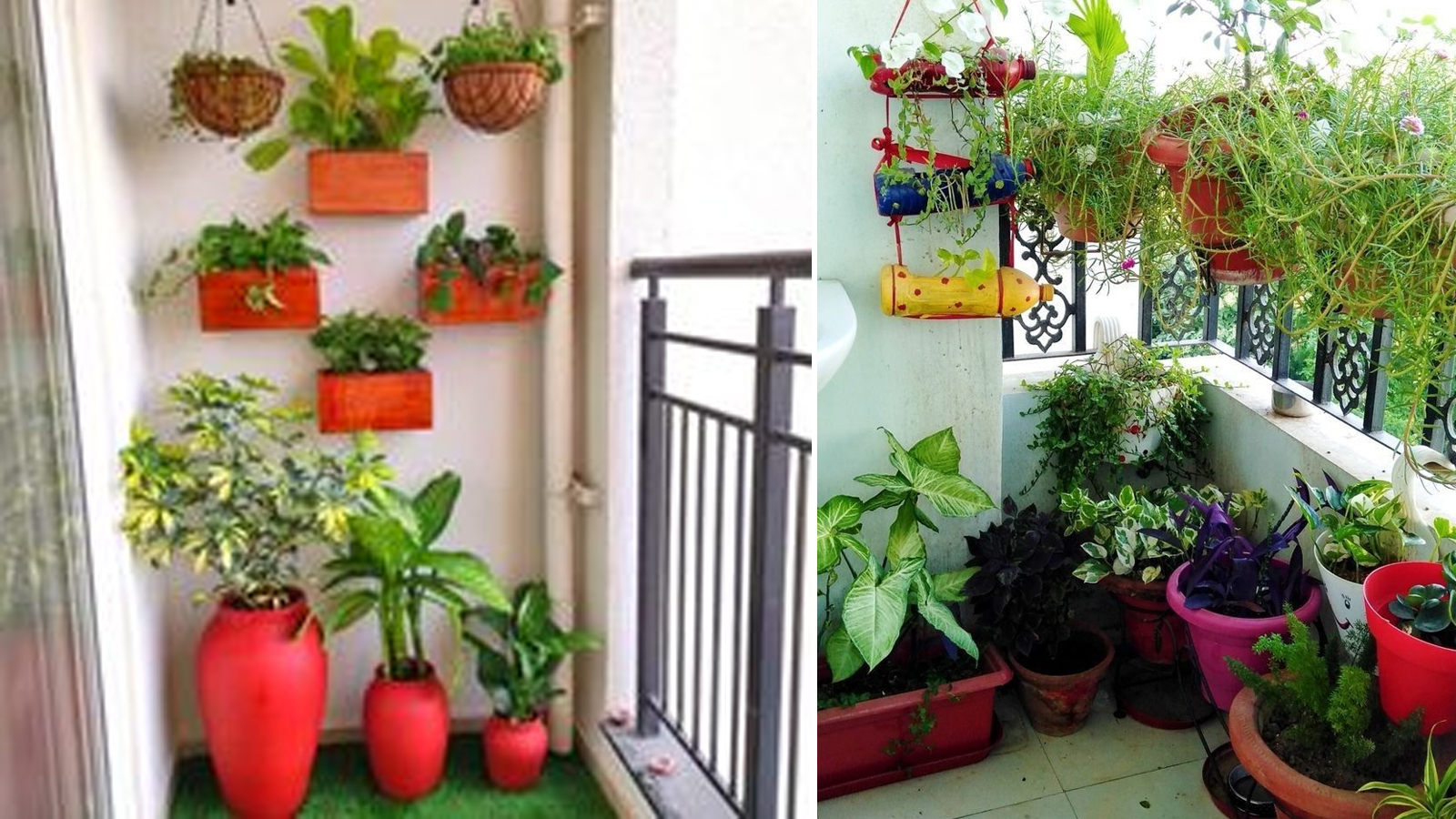
Plastic pots heat up very quickly in the summer and can burn the plant's roots. That's why terracotta, clay, or thick ceramic pots are considered the best for summers. They don't transfer heat as quickly, keeping the roots safe and the plant stress-free. You can also place smaller pots inside larger decorative baskets to give the plant some extra insulation.
Cut back on liquid fertilisers
Plants become very delicate in the summer, and their roots can't work as efficiently. Giving them heavy or strong fertilisers at this time can put them under even more stress. During summer, you should only fertilise with a half-dose. Gentle options like cumin water, compost tea, or a buttermilk spray (applied to the soil) work well. Completely avoid chemical fertilisers in hot weather.
Explore the latest Lifestyle NewsFood and RecipesHealth NewsAsianet News Official App