Karwa Chauth 2026: Sieve, Karwa Pot Moon Rituals, Significance Explained
Synopsis
Karwa Chauth 2026 falls on October 29. Discover the significance of the sieve, traditional karwa pot and Moon ritual, including why women offer water to the Moon before breaking their fast.
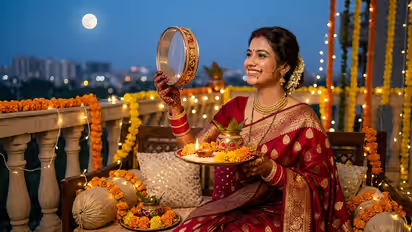
Karwa Chauth is celebrated with traditional prayers, fasting, and a special ceremony centered on the appearance of the Moon. In 2026, the festival will be celebrated on Thursday, October 29, when married women who follow the tradition will keep the vrat and will perform some rituals for their husband's prosperity and well-being of the family.
There are three traditions which should be mentioned about the celebration of the holiday. These include the use of chalni or sieve, traditional karwa pot, and the offering of water to the Moon. Each of these elements has its own place in the evening puja.
Although the general pattern of rituals is common for most Indian families, there are some differences in their sequence and meaning. The following paragraphs describe the meaning of these three most important Karwa Chauth rituals.
Karwa Chauth 2026: Why Is the Sieve Used During Moon Sighting?
The sieve or chalni/channi is one of the most common items in the Karwa Chauth evening ritual. Women usually look at the Moon through the sieve and then at their husbands through it.
The exact religious significance of the sieve is not explained the same way in all the traditions. The importance of the sieve is determined by the customary practices and legends associated with Karwa Chauth, such as the local versions of the Veeravati story.
What Is the Symbolism of the Karwa Pot?
Karwa is a traditional pot, usually made of clay, which is an integral part of the evening ritual of Karwa Chauth celebration. It is traditionally filled with water and often decorated prior to placing along with the other puja items.
The vessel symbolizes good fortune, prayers and offerings to the deities in order to ensure prosperity of the family. At the same time, its practical importance should be noted: depending on the family's customs, the vessel is used for offering water to the Moon.
Though earthen pots are traditional, there can be variations in both materials and design of the vessel.
Why is Water Offered to the Moon on Karwa Chauth?
Chandra puja, better known by the name Moon ritual, is the central part of the day. Once the Moon appears in the sky, women make an arghya and pray to the God following the tradition of their families.
This offering is associated with worshipping the god Chandra and praying for happiness in marriage and good well-being of the family. The karwa or any other appropriate bowl may be used for pouring the water.
After the Moon becomes sighted and the prayers are performed, the fast is traditionally finished. In most cases, the woman watches the Moon and her husband through a sieve and gets water and food from her husband after that. There are some traditions of performing the rituals, too.
How Are the Three Karwa Chauth Traditions Performed at Once?
Each of the rituals described above serves its own purpose during the performance of the ritual of Karwa Chauth.
Karwa Chauth for 2026: check your Moon sighting time in your city.
Karwa Chauth festival will be held on Thursday, October 29.
These traditions are still important for many families, but their meanings and performances are still influenced by regional customs and personal beliefs.
Explore the latest Lifestyle NewsFood and RecipesHealth NewsAsianet News Official App