Kanya Pujan 2026: Ashtami or Navami? Date, Shubh Muhurat, Bhog and Puja Rules
Synopsis
Kanya Pujan, a vital Navratri ritual honouring young girls as Goddess Durga, falls on October 19 and 20 in 2026. The overlapping lunar dates have caused confusion, with both Ashtami and Navami observances occurring on October 19. Devotees must follow local Panchang timings to perform the sacred vidhi and offer traditional bhog.
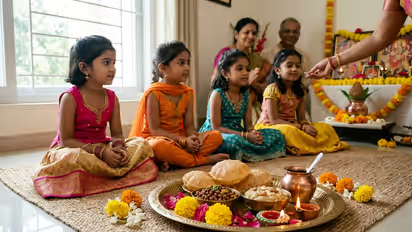
Kanya Pujan, also known as Kanjak Puja, is one of the most significant rituals observed during Sharadiya Navratri. Devotees worship young girls as manifestations of Goddess Durga, offer them traditional food and seek their blessings. The ritual is generally performed on Maha Ashtami or Maha Navami, the concluding days of Navratri.
In 2026, the dates of Ashtami and Navami have created some confusion among devotees because the two lunar dates fall across October 19 and 20. According to the Delhi Panchang timings reported by NDTV Profit, both Ashtami and Navami observances can be performed on Monday, October 19, depending on family traditions and the prevailing tithi.
Kanya Pujan 2026: Date and Shubh Muhurat
Kanya Pujan is traditionally performed on either Ashtami or Navami. Some families observe the ritual on both days, while others follow the custom practised in their household.
According to the Delhi Panchang timings reported by NDTV Profit, the key details are:
Kanya Pujan date: Monday, October 19, 2026, for many North Indian traditions
Ashtami tithi begins: October 18 at 8:27 AM
Ashtami tithi ends: October 19 at 10:51 AM
Navami tithi ends: October 20 at 12:50 PM
Reported Ashtami puja muhurat: 8:29 AM to 10:16 AM on October 19
Reported Navami Abhijit muhurat: 11:43 AM to 12:29 PM on October 19
These timings are based on the Delhi Panchang and may vary by location. Devotees should consult their local Panchang or priest to confirm the appropriate time for their tradition.
Why Are Ashtami and Navami Both Observed on October 19?
The dates of Hindu festivals are determined by the lunar calendar, which means a tithi does not always correspond to an entire civil calendar day.
In 2026, Ashtami begins on October 18 and continues into the morning of October 19. Navami starts after Ashtami ends and continues into October 20. As a result, many North Indian calendars list both Maha Ashtami and Maha Navami observances on October 19.
Families that traditionally perform Kanya Pujan on Ashtami can follow the Ashtami tithi, while those who observe it on Navami can perform the ritual after Navami begins. Regional customs and Panchang calculations may differ, so checking local timings is important.
Kanya Pujan 2026: Significance of the Ritual
Kanya Pujan symbolises reverence for feminine energy and the divine power represented by Goddess Durga. Traditionally, nine young girls are invited to represent the nine forms of the goddess, known as Navadurga.
In several households, a young boy is also invited alongside the girls. He is referred to as a Langur or Bhairav and is included according to family tradition.
The ceremony is usually performed after the household's Durga Puja or havan. Many devotees complete their Navratri fast after the ritual and meal.
Kanya Pujan Vidhi: How to Perform the Ritual?
The ceremony is generally carried out through the following steps:
- Clean the puja area: Prepare a clean and comfortable space for the children.
- Welcome the girls: Invite the girls respectfully and help them settle comfortably.
- Wash their feet: Traditionally, devotees wash the children's feet with clean water as a mark of respect.
- Apply tilak: Apply a tilak using kumkum or chandan, and offer flowers or akshat, which are unbroken rice grains.
- Offer prayers: Pray to Goddess Durga and seek blessings for the family.
- Serve the meal: Offer freshly prepared traditional food after presenting it as bhog to the goddess.
- Give gifts or dakshina: Offer fruits, sweets, clothes, stationery or money according to your means.
- Conclude the ceremony: Thank the children and seek their blessings before they leave.
The ritual may differ slightly across regions and families, so devotees can follow their established customs.
What Food Is Prepared for Kanya Pujan?
The traditional Kanya Pujan meal in many North Indian households includes three popular dishes:
- Puri: Deep-fried Indian bread served fresh.
- Kala chana: Black chickpeas cooked with traditional spices.
- Suji halwa: A sweet preparation made using semolina, ghee and sugar.
Some families also offer fruits, sweets and other vegetarian dishes. The food is first presented as bhog to Goddess Durga and then served to the children.
Kanya Pujan 2026: Dos and Don'ts
Dos
- Keep the puja area clean and welcoming.
- Prepare fresh vegetarian food according to family tradition.
- Welcome the children with warmth and treat them with respect.
- Offer gifts or dakshina according to your budget.
- Confirm the muhurat using a reliable local Panchang.
- Allow children to participate willingly and comfortably.
Don'ts
- Avoid serving stale food or leftovers as prasad.
- Follow your family's traditional dietary practices for the bhog; many households avoid onion and garlic.
- Do not force children to participate in rituals that make them uncomfortable.
- Avoid preparing excessive food that may go to waste.
- Do not assume the same muhurat applies across every city.
When Is Dussehra 2026?
Vijayadashami, commonly known as Dussehra, will be observed on Tuesday, October 20, 2026, according to the cited festival calendar. The occasion marks the victory of good over evil and is celebrated through prayers, cultural programmes and Ravana Dahan in many parts of India.
As devotees prepare for the final days of Navratri, checking the local calendar for Kanya Pujan timings can help them observe the ritual in keeping with their family and regional traditions.
Explore the latest Lifestyle NewsFood and RecipesHealth NewsAsianet News Official App