Fast or Slow Protein: How New Nutrition Innovation Could Change the Way India Consumes Protein
Synopsis
Fast vs slow proteins are making waves in the nutrition world. Find out how combining whey isolate and yeast protein blends can give you fast release of amino acids and lasting nourishment.
The protein conversation has largely focused on one simple question: How much protein are we consuming? From fitness enthusiasts tracking their daily intake to consumers looking for healthier food choices, the emphasis has largely been on quantity. But as nutrition science evolves, a more meaningful question is beginning to emerge: How effectively does the protein we consume work for our bodies?
This shift is changing the way food and nutrition companies think about protein. Today, innovation is no longer just about adding more grams of protein to a product. It is about delivering protein in smarter, more functional ways that better suit modern lifestyles and nutritional needs.
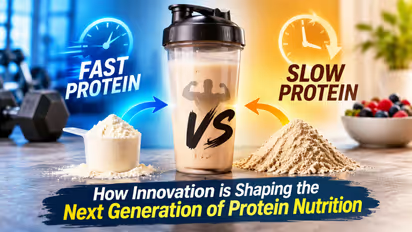
One area gaining increasing attention is the difference between fast and slow proteins. Simply put, fast proteins are digested and absorbed quickly, delivering amino acids rapidly into the bloodstream. Whey isolate is one of the most recognised examples and has long been popular among athletes and active individuals because it helps support post-workout recovery.
Slow proteins work differently. Instead of being absorbed all at once, they provide a more gradual release of amino acids over time. This sustained availability can help support the body's ongoing protein requirements, particularly during longer gaps between meals.
The science behind this distinction lies in protein digestion kinetics and amino acid availability. In a controlled human study, amino acids from rapidly digestible whey appeared in plasma within about 15 minutes and peaked at around 60 minutes after consumption. This rapid rise in circulating essential amino acids is an important signal for stimulating muscle protein synthesis, particularly following physical activity.
In contrast, slower-digesting proteins provide a more gradual and sustained supply of amino acids. Research on pre-sleep slow-digesting protein has commonly examined servings of 40-48 grams consumed around 30 minutes before sleep, with studies reporting increased amino acid availability during the overnight period. While the ideal amount depends on individual needs and the protein source, these findings illustrate why nutrition scientists are exploring combinations that can deliver both an immediate amino acid rise and more sustained availability over time.
For a long time, consumers viewed these as separate choices. You either chose a fast protein for recovery or a slower protein for sustained nourishment. But real life is rarely that straightforward.
Today's consumers are balancing work, fitness, family commitments and personal wellness goals, often all in the same day. Their nutritional needs extend beyond a single workout or meal. They are increasingly looking for solutions that provide support throughout the day and fit seamlessly into their routines.
Recognising this evolving consumer mindset, food companies are rethinking conventional protein formats and exploring ways to combine the strengths of different protein sources.
Yoga Bar recently introduced India's First Whey Isolate + Yeast Protein Blend, designed to bring together the benefits of both fast and slow protein release. By combining fast-releasing whey isolate with slow-releasing yeast protein, the formulation aims to support immediate protein availability while also providing more sustained nutritional support over time.
More importantly, innovations like these reflect a broader shift taking place across the food industry. Consumers today are looking beyond labels and protein counts. They want products that are backed by science, designed for convenience and developed to address real-life nutritional challenges.
As a result, the future of protein nutrition is unlikely to be defined solely by how much protein a product contains. Instead, it will increasingly be shaped by the quality, functionality and effectiveness of that protein.
Explore the latest Lifestyle NewsFood and RecipesHealth NewsAsianet News Official App