Childhood Cancer: Early Symptoms Parents Should Watch For
Synopsis
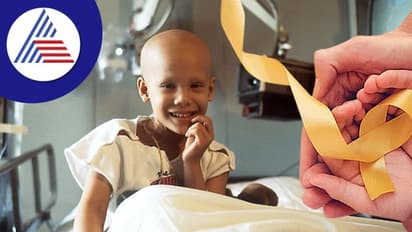
Cancer in children is rare, but not as rare as most people think. India has between 50,000 and 75,000 new cancer cases every year, most of which are leukaemia and lymphoma.
Childhood cancer is rare, but it is not as uncommon as many assume. The country of India sees between 50000 to 75000 new cancer cases every year which predominantly include leukemia and lymphoma. The encouraging part is this: early detection dramatically improves survival. Patients who receive treatment within the appropriate time frame have a survival probability that exceeds 80 percent. The challenge is recognizing the warning signs early enough.
Why Awareness Matters
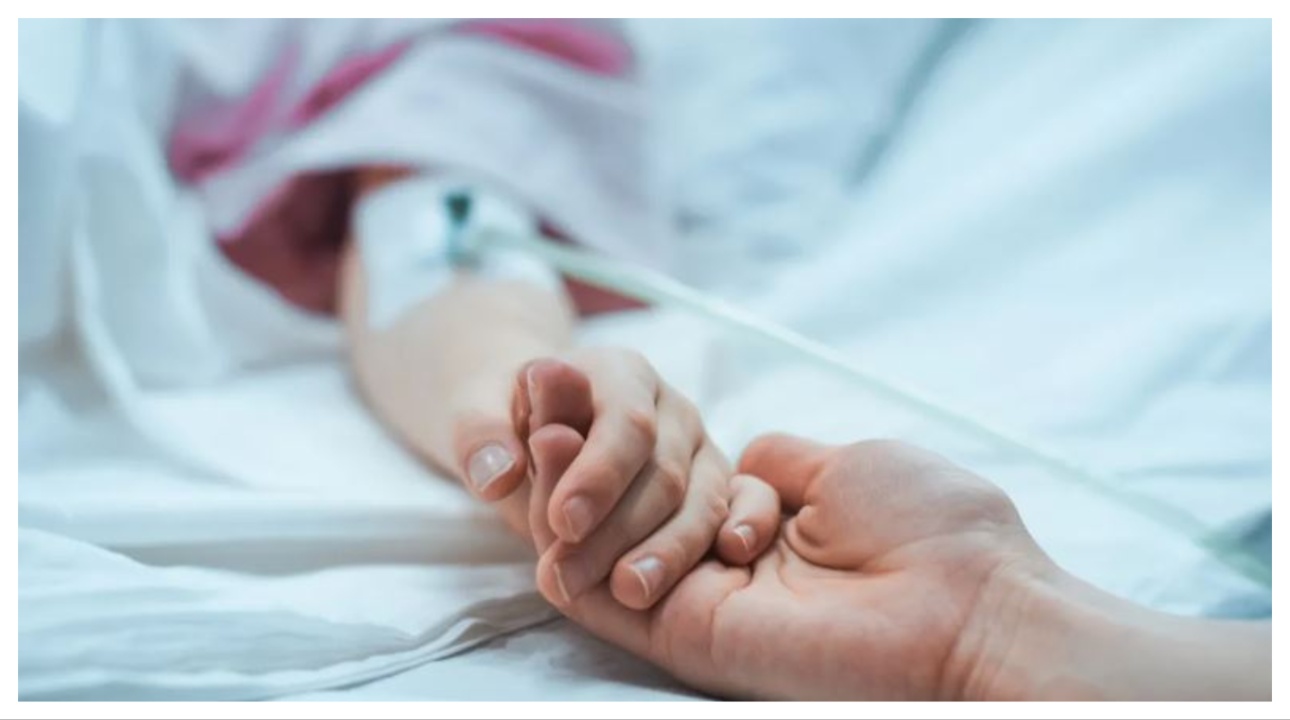
Many childhood cancers begin with subtle symptoms that resemble everyday illnesses. A lingering fever which combines with tiredness and a small lump will not immediately raise concern. The medical community experiences delays which extend from weeks to months before making a diagnosis. The healthcare system in developing regions has restricted healthcare facilities which results in treatment delays that lead to poor health results. When parents know what to watch for, they can act sooner and improve the chances of successful treatment.
Warning Signs That Deserve Attention
Parents should pay close attention to symptoms that persist beyond two weeks or keep recurring without a clear reason. The following symptoms should be monitored: Unexplained lumps or swelling, especially in the neck, armpits, abdomen, or painless enlarged nodes. Unexplained bruising and frequent nosebleeds and bleeding gums and tiny red spots which appear on the skin. Ongoing fever, repeated infections, or unusual fatigue. Unexplained weight loss or poor appetite. Bone or joint pain which causes a child to limp or experience pain during sleeping hours. Persistent headaches which bring along vomiting and vision problems and balance issues. Abdominal swelling or noticeable paleness. A white glow in the eye in photographs which may signal a rare eye tumor. These symptoms do not automatically mean cancer, but they should never be ignored.
Recognizing Common Patterns
Certain cancers show typical patterns. Leukemia begins with symptoms which include bruising and fever and pallor and fatigue. Lymphomas may present as firm, growing lumps in the neck or armpits. Brain tumors can cause morning headaches and balance difficulties. Solid tumors such as neuroblastoma may appear as abdominal swelling or masses.

What Parents Should Do
Parents need to see a doctor when their child's symptoms become more severe or stay the same. Basic blood tests and imaging scans can detect early indicators of medical issues. Childhood cancer is frightening, but early vigilance can make all the difference. The combination of warning sign recognition and immediate medical assessment enables patients to transform their initial cancer suspicions into critical life-saving procedures.
(Written By; Dr. Sravan Kumar Bodepudi, Consultant - Medical Oncology and Bone Marrow Transplant Physician, Manipal Hospital Vijayawada)
Explore the latest Lifestyle NewsFood and RecipesHealth NewsAsianet News Official App