Rare Vijayanagara-Era Hero Temple With Hunting Hero Stones Discovered in Karnataka Village
Synopsis
A rare Vijayanagara-era hero temple has been identified in PulasaniOddu village. Uniquely located in the village center, it features classic architecture and houses eight hero stones dedicated to hunting. These memorials commemorate local rulers who likely died protecting communities from wildlife, as shown in carvings of tiger hunts.
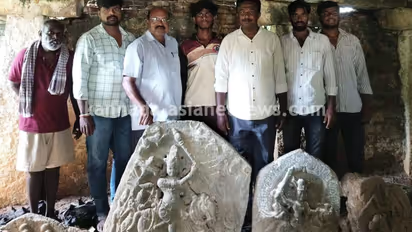
During a village-wise survey, the Archaeology Department identified a remarkable Veeraragudi (hero temple) in PulasaniOddu village under Hampasandra Gram Panchayat. Historians K. Dhanapal and Tyagaraj studied the site and revealed several fascinating details about this unique monument, which is believed to date back to the Vijayanagara period.
Unlike most hero temples that are typically located in agricultural fields or on village outskirts as small stone shrines, this temple stands prominently in the heart of the village, making it a rare find.
Classic Vijayanagara Architecture
The temple showcases distinctive Vijayanagara architectural features. The front mantapa is adorned with intricately carved Yali figures, a hallmark of the empire's artistic style. Two striking sculptures of female dancers also decorate the entrance. One figure is depicted wearing a breastband, while the other appears semi-nude, seemingly welcoming devotees into the shrine.
Eight Hero Stones Dedicated to Hunting
The structure consists of a sanctum sanctorum, a vestibule, and a spacious hall. Inside the sanctum are approximately eight memorial sculptures, all of which are hero stones associated with hunting.
One of the carvings portrays a local ruler hunting a tiger alongside his dog, while other sculptures depict attendants participating in the hunt. According to historian K. Dhanapal, these figures may represent local chieftains or rulers who served under the Vijayanagara kings.
Also Read: Why Nobody Climbs This Narasimha Hill After Sunset: The Mystery of Telangana's Mallur Temple
Ancient Inscription Offers Clues
Researchers believe several warriors may have lost their lives during hunting expeditions, with some sculptures also hinting at the practice of Sati. One hero stone contains an inscription that experts date to the 16th or 17th century based on its script. Preliminary studies suggest the name recorded may be "Erakadurayya."
Historians note that the region was once covered by dense forests. The rulers may have undertaken hunting expeditions to protect local communities from dangerous wildlife and were later commemorated through these memorial stones. The presence of Kailasa-themed carvings indicates that the heroes likely followed the Shaivite tradition.
The Legend of Pulasani
The temple is also linked to a popular local legend. According to village folklore, a woman named Pulasani regularly carried food from the village to Lepakshi. On her return journeys, she reportedly brought back stones one at a time and eventually built the temple herself.
Local residents Kishore, Chandu, Jaswanth, Somu, Kumara, Gangadharappa, and Narayanaswamy assisted researchers during the field study and documentation of the monument.
Also Read: Gruhalakshmi and Gruha Jyothi Payments to Resume Soon After Review, Says H.M. Revanna
Stay updated with the Breaking News Today and Latest News from across India and around the world. Get real-time updates, in-depth analysis, and comprehensive coverage of India News, World News, Indian Defence News, Kerala News, and Karnataka News. From politics to current affairs, follow every major story as it unfolds. Download the Asianet News Official App from the Android Play Store and iPhone App Store for accurate and timely news updates anytime, anywhere.