Are CCTV Cameras Really Banned In India From April 1? Here’s The Truth Behind New Rules
Synopsis
India has made Standardisation Testing and Quality Certification approval mandatory for CCTV cameras from April 1, 2026. While some reports suggest brands like Hikvision are banned, govt has not officially announced any ban. The move aims to improve cybersecurity and prevent data leaks, ensuring only secure and certified cameras are sold.
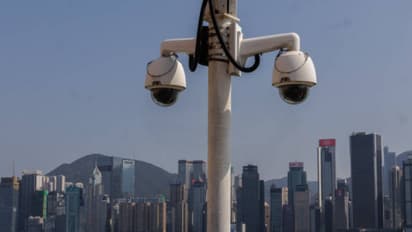
India has introduced new rules for CCTV cameras from April 1, 2026. These rules have created confusion, with many reports claiming that some foreign brands are being banned. However, the government has not officially used the word “ban”. Instead, it has made strict security certification mandatory for all CCTV cameras sold, used, or imported in the country.
What exactly has changed?
The central government has made it clear that only CCTV cameras that meet security standards can now be sold or used in India. From April 1, no CCTV camera can be sold or imported without certification from Standardisation Testing and Quality Certification.
This rule applies to all companies, whether they are Indian or foreign. Without this approval, products cannot enter or stay in the market.
Also Read: Ajmer Domino's Blunder: Veg Order Turns Non-Veg, Customer Says Religious Beliefs Hurt
What is STQC and why it matters
Standardisation Testing and Quality Certification is a government agency under the Ministry of Electronics and IT. It was set up in 1980. The agency checks whether products follow proper safety and cybersecurity standards. It tests hardware, software, and firmware of devices.
STQC certification ensures that CCTV cameras are safe from hacking, data leaks, and misuse.
Why is the government taking this step?
The main reason behind the new rules is national security.
Today, CCTV cameras are not just recording devices. They are connected to the internet and constantly send data. If these systems are not secure, sensitive information can be leaked.
Recently, reports claimed that footage from some CCTV cameras at Indian railway stations was being accessed from Pakistan. Security agencies also raised concerns about possible cyber threats.
Because of these risks, the government wants to ensure that all surveillance systems in India are secure and trustworthy.
What will be checked in CCTV cameras
Under the new rules, CCTV systems will go through strict testing. This includes checking encryption, secure login systems, access control, and data storage. Both the physical device and the software inside it will be examined.
Only those cameras that pass these checks will get certification and be allowed in the market.
Also Read: Bengaluru Tech Couple Found Dead In Suspected Suicide, Police Probe Ongoing
Are companies like Hikvision banned?
There is a strong perception in the market that some foreign brands like Hikvision and Dahua have been banned.
But this is not technically correct.
The government has not announced any direct ban. The issue is that these companies are facing difficulties in getting STQC certification under the new rules.
Because of this, their products may not be easily available in India, which gives the impression of a ban.
Impact on the CCTV market
Experts say the new rules will change the CCTV market in India. Until now, a large share of the market was held by Chinese companies. But with stricter rules, domestic companies may get an advantage.
Indian brands that meet security standards quickly can grow faster in this new system.
The focus is now on secure and certified devices, not just low-cost options.
What about existing CCTV cameras?
The new rules mainly apply to new products being sold or imported. This means that CCTV cameras already installed will continue to work for now.
However, experts believe that older systems may be reviewed in the future. If any security flaws are found, action could be taken.
More than just a technical rule
This move is not just about technology. It is a step towards stronger national security. The government wants to ensure that surveillance systems used across the country are safe and cannot be misused by outside actors.
In simple terms, the aim is to protect data and prevent cyber attacks.
What it means for consumers
For customers, this means that only certified and secure CCTV cameras will be available in the market. While prices may change, the focus will be on safety and reliability.
Experts say this is a long-term move that will help build trust in digital systems.
Stay updated with the Breaking News Today and Latest News from across India and around the world. Get real-time updates, in-depth analysis, and comprehensive coverage of India News, World News, Indian Defence News, Kerala News, and Karnataka News. From politics to current affairs, follow every major story as it unfolds. IMD cities weather forecastsRain Cyclone Asianet News Official App