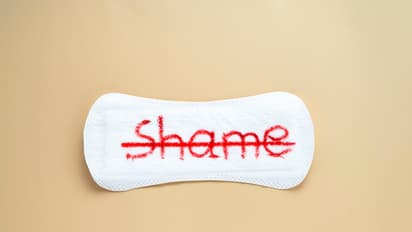
'Stop Period Shaming': Lawyers Seek National Guidelines after Rohtak Sanitary Pad Photos Row
Synopsis
Supreme Court Bar Association has sought top court's intervention in 'period shaming' at Maharshi Dayanand University, Rohtak, where 3 women were forced to send photos of sanitary pads. The plea cites past abuses, invokes Article 21 privacy rights.
The Supreme Court Bar Association (SCBA) has filed a petition in the Supreme Court. The plea asks the top court to act quickly against what the SCBA calls a growing pattern of humiliating checks on women and girls in institutions. The petition highlights a recent case at Maharshi Dayanand University, Rohtak, and lists earlier incidents in other states, according to a report in Bar and Bench.
The Rohtak incident described in the petition
According to the petition, three female sanitation workers at Maharshi Dayanand University were forced to send photographs of their sanitary pads. The workers were called in on a Sunday for a gubernatorial visit even though they were unwell. The plea says they were 'verbally abused, humiliated and pressured' until they sent the photos. The SCBA calls this a serious violation of dignity, privacy and bodily autonomy.
Examples from the past cited by the SCBA
The petition refers to other cases of invasive checks. It mentions a 2017 incident in Uttar Pradesh where 70 girls were allegedly stripped to check for menstrual blood. It also cites a 2020 case in Gujarat where students were forced to remove their underwear for inspection. A July 2025 case in Maharashtra is included, where girls were reportedly made to undergo physical checks after a principal showed photographs of bloodstains.
Legal grounds and constitutional precedents
The SCBA bases its plea on Article 21 of the Constitution, which protects the right to life and personal liberty. The petition cites KS Puttaswamy v. Union of India (2017), where the Supreme Court recognised bodily privacy as part of Article 21. It also refers to Suchita Srivastava v. Chandigarh Administration (2009), which affirmed reproductive autonomy, and Vishaka v. State of Rajasthan (1997), which set rules for a safe workplace. The plea also draws on the RG Kar Medical College case on safe work conditions.
The SCBA asks the Supreme Court to order a full inquiry into the Rohtak incident. It seeks directions to both the Central government and the State of Haryana to investigate. The petition also calls for nationwide guidelines to protect women’s right to health, dignity, privacy and bodily autonomy at workplaces and educational institutions. The plea stresses that women workers, especially in unorganised jobs, must have decent and respectful working conditions.
The petition argues that checks like these are degrading and unlawful. They violate the privacy and bodily integrity of women and girls. The SCBA warns that such actions harm vulnerable workers most. It calls for rules that respect biological differences and give reasonable concessions to those who suffer menstrual pain or discomfort.
The SCBA wants the Supreme Court to step in quickly. It asks for a clear national response so no woman faces humiliation for natural bodily processes. The petition combines legal precedent with recent news to ask for both justice in the Rohtak case and stronger safeguards across the country.
Stay updated with the Breaking News Today and Latest News from across India and around the world. Get real-time updates, in-depth analysis, and comprehensive coverage of India News, World News, Indian Defence News, Kerala News, and Karnataka News. From politics to current affairs, follow every major story as it unfolds. IMD cities weather forecastsRain Cyclone Asianet News Official App