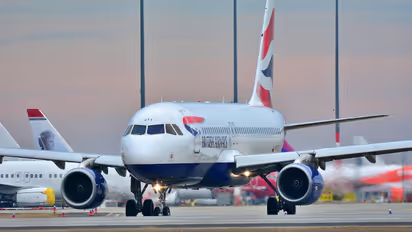
Ever wondered why most airplanes are white instead of bright colours? Discover how white paint helps reflect sunlight, makes inspections easier and can reduce maintenance costs for airlines around the world.
You usually spot white planes flying in the sky. You see them parked at airports with different airline logos and designs. But why do airlines prefer white over red, blue, or green? Let us look at the interesting reasons behind this colour choice.
Sunlight plays the biggest role here. Flights spend a lot of time high up in the sky. Sunlight hits the aircraft directly at that altitude. White paint reflects sunlight much better than dark colours. This reflection stops the plane from heating up too much.
A hot plane puts extra pressure on the cabin cooling system. White paint easily cuts down this heat. Of course, weather conditions, aircraft structure, and materials also affect the overall temperature.
25
How white paint helps with flight safety and costs
Maintenance crews run strict safety checks on flights. They look for tiny cracks, scratches, paint damage, and oil leaks on the outer body. A white surface highlights these dark stains and damages instantly. This visibility helps technicians spot problems quickly.
Airlines also use special tools for deeper checks, as white paint alone cannot show every hidden flaw.
Does white paint cut down maintenance costs?
Painting a massive aircraft costs a lot of money and takes days. White paint does not fade quickly under the harsh sun. This durability saves airlines from frequent repainting costs.
Companies also find it super easy to stick their logos on a white background. If they lease or sell the plane to someone else, painting a new design over white is much easier. All these factors help airlines control their maintenance budgets.
35
Why do some airlines use bright colours?
Aviation rules do not force airlines to paint their planes white. Companies can technically use red, blue, yellow, green, or black paint. Many global airlines use bold colours and catchy designs to show off their brand identity.
Some brands paint only the tail section, while others cover the entire body. You will also see special flight designs during festivals, sports events, and promo campaigns.
Dark colours absorb more heat, which can affect certain composite materials on the plane. Engineers carefully check the paint quality, aircraft structure, and maintenance needs before approving these dark shades.
Air New Zealand stands out when we talk about aircraft colours. This airline flies special planes painted entirely in black. People find this dark choice fascinating since most airlines stick to white.
The country chose black to honour its national identity and rugby passion. The national rugby team, the All Blacks, famously wears all-black jerseys. Black holds a very proud spot in New Zealand's sports culture. Air New Zealand reflects this pride through its black planes.
The airline launched its first special black plane in 2010 to celebrate this rugby connection. They even rolled out an Airbus A321neo in 2022 featuring a rare all-black Star Alliance livery. Star Alliance planes usually sport a white design, but they made a special exception here.
55
So, is white paint a strict rule for flights?
Airlines look at technical needs, business goals, brand identity, and maintenance costs before picking a colour. White paint reflects sunlight, highlights damages, and saves money. That is exactly why most global airlines choose it as their primary colour.
However, brands like Air New Zealand use black to show off their sports traditions and culture. So, painting a plane white is definitely not a strict rule. Airlines pick white for pure convenience and cost-cutting, while they choose black or other colours for brand pride and national identity.