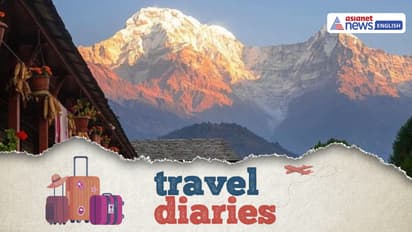
Travel Diaries | Ghandruk Village: A Himalayan Haven of Trekking, Gurung Culture, Scenic Views, Serene Mountain Life

Published : Mar 14, 2026, 02:07 PM IST

Discover Ghandruk Village, a serene Himalayan destination in Nepal’s Annapurna region. Experience stunning mountain views, Gurung culture, trekking adventures, farmlands, local cuisine,and eco-friendly stays, making it a must-visit for nature lovers.

PREV
112
A Himalayan Haven for Trekking and Culture

Nestled in the Annapurna region of Nepal, Ghandruk Village is a serene mountain retreat renowned for its stunning Himalayan views, traditional Gurung culture, and trekking adventures. 

Perched at an altitude of 1,940–2,012 m, the village offers panoramic vistas of iconic peaks like Annapurna South, Machhapuchhre (Fishtail), Hiunchuli, and Gangapurna. 

With its stone-built houses, slate roofs, terraced farms, and winding lanes, Ghandruk perfectly blends authentic Nepali heritage with eco-tourism charm, making it a top destination for Nepal treks, cultural experiences, and nature photography.

212
Brief History of Ghandruk Village

Gurung Community: Ghandruk is predominantly inhabited by the Gurung ethnic group, known for their rich culture and traditions.

Military Heritage: Many Gurungs have historically served in the Gurkha regiments of the British, Indian, and Nepalese armies.

Cultural Hub: Over time, Ghandruk evolved into a cultural centre, showcasing traditional Gurung architecture and lifestyle.

Preservation of Heritage: The village has retained its stone-built houses, slate roofs, and terraced farms, maintaining an authentic Nepali mountain experience.

Tourism Integration: While embracing eco-tourism and trekking visitors, Ghandruk continues to preserve its customs, festivals, and folk practices.

312
Top Places to Visit in Ghandruk Village

Gurung Cultural Museum: Discover the rich traditions of the Gurung community, historical artefacts, and the legendary Gurkha heritage.

Traditional Stone Houses: Wander through authentic Gurung dwellings with stone walls and slate roofs, reflecting centuries-old mountain architecture.

Meshram Baraha Temple: Visit this charming local shrine to experience rural spiritual life and observe traditional religious practices.

Scenic Viewpoints: Enjoy breathtaking panoramic views of the Annapurna and Machhapuchhre (Fishtail) peaks, especially at sunrise and sunset.

Terraced Farmlands & Forest Trails: Perfect for nature walks, photography, and exploring the lush terraced landscapes surrounding the village.

412
Things to Do in Ghandruk Village

Trekking and Hiking: Ghandruk serves as the gateway to iconic treks like the Ghorepani–Poon Hill Trek, Annapurna Base Camp Trek, and shorter cultural hikes around the village.

Cultural Immersion: Experience traditional Gurung dances, wear ethnic attire, interact with locals, and participate in festivals like Tamu Lhosar.

Nature and Photography: Capture the breathtaking Himalayan scenery, rhododendron forests, terraced farmlands, and authentic mountain life.

Enjoy Local Cuisine: Savor Nepali specialties such as dal bhat, gundruk soup, dhido, and local snacks at homestays and teahouses.

512
Best Time to Visit

Autumn (September–November): Clear skies, ideal trekking conditions, and excellent mountain views.

Spring (March–May): Blooming rhododendrons, pleasant temperatures, and vibrant landscapes.

Winter (December–February): Cool weather with possible snow; perfect for photography and quiet treks.

Monsoon (June–August): Lush green landscapes, but trails may be slippery with occasional rain and leeches.

612
How Indians Can Travel to Ghandruk Village?

By Air: Fly from major Indian cities such as Delhi, Mumbai, or Kolkata to Kathmandu. From Kathmandu, take a domestic flight to Pokhara, followed by a short drive or jeep ride to Ghandruk.

By Road: Long-distance buses or private cars can travel to Pokhara via the Nepal border. From Pokhara, take a shared jeep, bus, or private taxi to Nayapul, Birethanti, or Kimche, then hike or continue by local transport to reach Ghandruk.

Entry Requirements for Indian Citizens:

A valid passport or voter ID is required to enter Nepal. Indians can also obtain a Nepal entry permit at the border, which is usually a quick and straightforward process.

Trekking Permits: Visiting trekking areas like Annapurna requires additional permits: the Annapurna Conservation Area Permit (ACAP) and Trekkers’ Information Management System (TIMS) card.

712
Currency and Payments

The Nepalese Rupee (NPR) is the official currency in Nepal.

ATMs are limited in Ghandruk, so it’s advisable to withdraw sufficient cash in Pokhara before heading to the village.

Smaller shops, local markets, and homestays often accept cash only.

Mobile payment apps (like eSewa or IME Pay) may work in some areas, but network signals can be unreliable in remote locations.

812
Connectivity and Internet

Mobile networks such as Nepal Telecom and Ncell generally work well in Ghandruk for calls and messaging.

Wi‑Fi is available at some lodges and guesthouses, though speeds may be slow and intermittent, especially during peak tourist seasons.

Travelers are advised to download offline maps and keep important documents offline due to limited internet reliability.

912
Getting Around Ghandruk Village

Shared Jeeps or Buses: From Pokhara, shared jeeps or buses take travellers to the trailheads near Ghandruk.

Direct Jeep Services: Private or shared jeeps often go directly to the outskirts of the village, saving time and effort.

On Foot: The best way to explore Ghandruk itself is by walking through its narrow lanes and nearby trails, allowing visitors to fully experience the village’s culture and scenic surroundings.

1012
Where to Stay?

Homestays and Tea Houses: Affordable, culturally immersive stays run by local families. Ideal for travelers seeking authentic Gurung hospitality.

Eco‑Lodges and Guesthouses: Mid-range accommodations offering comfortable rooms with mountain views.

Camps and Trekking Lodges: Found along popular trekking routes near Poon Hill or Annapurna Base Camp (ABC), perfect for trekkers and adventure enthusiasts.

1112
What to Eat?

Dal Bhat: The Nepalese staple of rice served with lentils, vegetables, and pickles.

Gundruk Soup: A fermented leafy greens soup, unique to the region and full of flavor.

Dhido: A traditional stiff porridge, usually paired with curry or vegetables.

Momos and Tea: Popular Nepali snacks and beverages, widely available at teahouses and lodges.

1212
Why You Should Visit Ghandruk Village?

Beyond its natural beauty, Ghandruk is a hub of rich Gurung culture. Visitors can experience traditional dances, festivals like Tamu Lhosar, and interact with locals to learn about their unique lifestyle, architecture, and customs. The village’s stone-built houses, slate roofs, terraced farms, and winding lanes reflect centuries of preserved heritage, making every stroll a cultural experience.

For adventure seekers, Ghandruk is the gateway to some of Nepal’s most famous treks, including the Ghorepani–Poon Hill Trek and Annapurna Base Camp Trek, along with shorter cultural hikes around the village. Trekking here provides both scenic mountain views and immersion in local life, blending adventure with cultural exploration.

Explore the latest Lifestyle News covering fashion, wellness, travel, Food and Recipes, and more. Stay updated with trending Health News, fitness tips, and expert insights to inspire your daily living. Discover personalized lifestyle trends that keep you stylish and informed. Download the Asianet News Official App from the Android Play Store and iPhone App Store for everything that adds value to your everyday life.


Read more Photos on

Recommended Stories