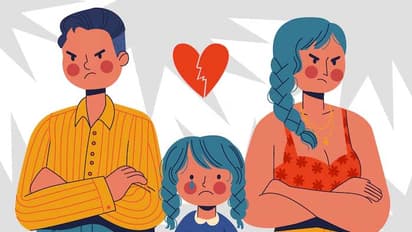
Handling tantrums effectively is about understanding emotions, setting boundaries, and teaching coping skills. By staying calm, acknowledging feelings, and encouraging resilience, parents can help children develop emotional strength.
Tantrums are a normal part of childhood, but they can be challenging for parents to manage. Understanding why tantrums happen and how to respond effectively can help children develop emotional resilience and healthier ways to express their feelings. Here’s a guide to handling tantrums while fostering emotional strength in your child.
28
1. Understanding Why Tantrums Happen
Tantrums often occur when children feel frustrated, overwhelmed, or unable to express their emotions. Common triggers include:
Hunger or fatigue – A tired or hungry child is more likely to have a meltdown.
Feeling unheard – When children struggle to communicate their needs, they may resort to tantrums.
Changes in routine – Sudden disruptions can cause emotional distress.
Seeking attention – Some tantrums happen when children want a response from parents.
Recognizing these triggers can help prevent tantrums before they escalate.
38
2. Staying Calm and Composed
Your reaction sets the tone for how your child learns to manage emotions.
Take deep breaths before responding.
Speak in a calm voice to avoid escalating the situation.
Avoid yelling or reacting emotionally, as this can reinforce negative behavior.
Children learn emotional regulation by observing their parents, so modeling calm behavior is key.