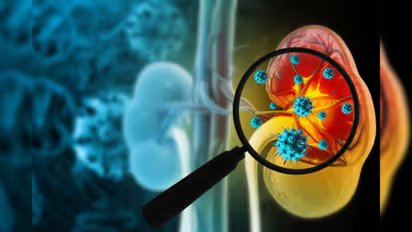
Kidney damage may not always cause obvious symptoms in its early stages. Learn about common warning signs, changes in your body and when persistent symptoms may require medical attention.
Your kidneys work hard to extract nutrients from your blood, food, and water. They flush out waste to keep your system clean. Kidney disease strikes when these organs lose their ability to filter out blood toxins and excess fluids.
211
Symptoms of Kidney Failure Often Go Unnoticed
The World Health Organization states that millions of people globally suffer from chronic kidney disease (CKD). Untreated CKD quickly leads to complete kidney failure. You must catch the symptoms early to prevent severe complications. People often miss the early signs until major damage happens. You can delay or stop kidney failure by spotting these warning signs and changing your lifestyle.
311
Swelling In The Feet And Ankles
Failing kidneys cause fluid buildup in your body. This fluid retention leads to swelling in your lower body, especially around your feet and ankles. You might also notice swelling on your face and hands. Damaged kidneys fail to flush out excess water, making this swelling a major warning sign of kidney trouble.
High blood sugar slowly destroys the delicate blood vessels inside your kidneys over time. High blood pressure also puts massive strain on your kidney's filtering units. You can prevent chronic kidney disease effectively by monitoring and managing your diabetes and hypertension regularly.
511
Anaemia
Toxic waste builds up in your body when your kidneys stop working. This toxic buildup causes anemia by dropping your red blood cell count. You will experience extreme fatigue, dizziness, and physical weakness. This makes it very hard to handle your daily routine.
611
Frequent Urination
Frequent urination, especially during the night, is a big red flag. You must also watch out for dark, foamy, or blood-tinged urine. A sudden drop in your urine output, even after drinking enough water, clearly points to kidney damage.
711
Changes In Hormonal Function
Many people wake up feeling completely exhausted in the morning. They complain that no amount of sleep fixes their tiredness. A hormone called erythropoietin protects your kidneys. Any fluctuation in this hormone level directly triggers kidney damage.
811
Holding Urine For Long Periods
Many people hold their urine due to busy schedules. This puts heavy pressure on your bladder. Experts warn this habit increases your risk of dangerous urinary tract infections (UTI). Sometimes, an overfull bladder pushes urine back into the kidneys. This rare condition damages kidney function and triggers stone formation.
911
Shortness Of Breath
Failing kidneys cause excess fluid to build up inside your lungs. This makes you feel breathless even while doing minor physical tasks. Anemia also drops the oxygen levels in your body, which makes this shortness of breath much worse.
1011
Reduced Urine Output And Blood In The Urine
Changes in your urine habits indicate serious trouble. A drop in urine volume or traces of blood in your urine are clear signs of kidney damage. Passing foamy urine often means your kidneys have stopped working properly. Difficulty while urinating is another major symptom of kidney failure.
1111
Extremely Dry Skin, Itching And Discomfort
Your kidneys help remove harmful waste from your blood. Toxic waste builds up rapidly when their function fails. This sudden toxin overload causes severe skin dryness, intense itching, and physical discomfort.