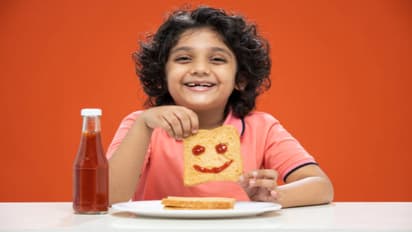
Some food products made for kids focus on simple nutritional needs, making them a possible choice for adults too. But, it's super important to check the label for things like sugar, salt, and fat before buying.
Food companies often advertise products for kids by highlighting their role in growth and daily nutrition. This makes many adults wonder if they can eat these foods too. The truth is, just because it's for kids doesn't automatically make it great for adults. But, if you carefully check the nutrition facts, some of these items can definitely find a place in an adult's diet.
27
The big focus on nutrition
Many food products for children often boast about added vitamins, minerals, and other nutrients. This approach highlights the food's nutritional value for a growing child. This also encourages adults to pay more attention to the actual nutritional details of what they eat.
37
Advertisement vs. Food Label
Words like 'Kids', 'Growing', or 'Nutrition' on a packet don't automatically prove it's healthy. You must check the label to see how much sugar, salt, fat, protein, and fibre the product contains. In fact, studies have also pointed out how ads for kids' food often make strong health or nutrition claims.
47
Monitor sugar levels
Even if a product is meant for kids, companies might add extra sugar to make it tastier. It's really important to check the sugar content when you're buying breakfast cereals, snacks, or drinks. Always look at the nutrition table on the back of the pack instead of just believing the health claims on the front.
57
Adults' needs are different
Children are in their growing years, so their nutritional needs are very different from adults. This means adults don't need to make kids' food a major part of their daily meals. The best approach is to choose food based on your own age, weight, level of physical activity, and personal dietary requirements.
67
Caution with processed foods
You can't assume that all products labelled 'for kids' are natural or whole foods. Eating highly processed foods regularly can lower the quality of your diet. Studies also show that a child's food choices are heavily influenced by the home environment and their parents' eating habits.
77
Quality is more important than the name
It's a mistake to think a food is 'healthy' just because it's made for kids. By the same logic, a food isn't better just because it's for adults. The smartest way is to compare ingredients, check sugar and salt levels, and look at the protein and fibre content. And of course, always give priority to natural foods like fruits, vegetables, whole grains, and dals in your daily diet.