Why Your Dal Is Getting Costlier: Weather Shocks, Batter Demand, and the Pulses Crunch

Published : Nov 29, 2026, 08:43 PM IST

Department of Consumer Affairs data shows all-India average retail prices rose nearly 19 per cent for tur dal to Rs 136.60 per kg, 12 per cent for urad dal to around Rs 127 per kg, and nearly 11 per cent for gram dal to Rs 95.45 per kg year-on-year.
PREV
15
Dal Prices Rise Up To 19% In A Year

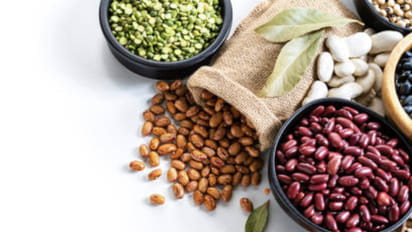
The cost of everyday pulses is putting additional pressure on household budgets, with the prices of tur, urad and gram dal rising by up to 19 per cent over the past year. Tur dal has recorded the sharpest increase, while urad and gram have also become significantly more expensive amid concerns over domestic production and tight supplies.

According to the Department of Consumer Affairs, the all-India average retail price of tur dal stood at Rs 136.60 per kg on November 29, compared with Rs 114.95 per kg on the same date last year. This represents an increase of nearly 19 per cent.

Urad dal has become 12 per cent more expensive, with its average retail price climbing from Rs 113.59 to around Rs 127 per kg. Gram dal prices have increased by nearly 11 per cent, reaching Rs 95.45 per kg against Rs 86.21 a year ago.

Other pulses have recorded relatively smaller increases. Moong dal prices rose 4.17 per cent to Rs 114.90 per kg, while masoor dal became 0.48 per cent costlier at Rs 89.35 per kg.

25
Tur, Urad And Gram Dal Prices In Major Cities

Consumers in metropolitan cities are paying considerably more than the national average for some varieties of pulses.

In Delhi, tur and urad dal were selling at Rs 150 per kg each, while gram dal was priced at Rs 100 per kg on Sunday. In Mumbai, the prices were higher, with tur dal at Rs 157, urad at Rs 155 and gram at Rs 117 per kg.

Chennai recorded tur dal prices of Rs 147 per kg and urad dal at Rs 133 per kg. Gram dal, however, was relatively cheaper at Rs 81 per kg.

The difference in prices across cities highlights how local supply conditions, transportation costs and retail markets can influence what consumers pay.

35
Why Are Tur And Urad Dal Prices Rising?

Pulses expert G K Sood has attributed the increase to a widening gap between demand and supply.

Tur, also known as arhar, is primarily a kharif crop. According to estimates shared by traders, this year's production could be around 2.8 million tonnes, significantly below the estimated annual demand of 4.5 million tonnes.

Weather-related problems in parts of Karnataka and Maharashtra have reportedly affected production.

Sood said high prices could encourage lower-income households to shift towards other pulses. Such a change in consumption patterns could redirect demand of up to one million tonnes towards alternative varieties.

The government also has a buffer stock of up to one million tonnes. Releasing some of these stocks into the open market could help increase availability and ease prices. However, imports may offer limited relief, as the global availability of tur for India is estimated at around one million tonnes.

Urad is another concern because it has fewer practical substitutes. It is widely used in the preparation of idli and dosa batter, keeping demand relatively firm despite higher prices.

45
Gram Production And Import Duty Concerns

Gram, commonly known as chana, is mainly a rabi crop. Sood believes the government overestimated last year's production, which may have been no more than nine million tonnes. He said this could explain the pressure on prices.

The outlook for the current crop is also uncertain, with abnormal weather conditions in Maharashtra and Rajasthan raising concerns.

To improve domestic availability, Sood has suggested reducing import duty on yellow peas from 30 per cent to zero and on chana from 10 per cent to zero.

55
How Will The Price Rise Affect Households?

The price increase is consistent with the supply concerns highlighted by experts, but it should not be attributed to one factor alone.

The Department of Consumer Affairs' daily price data confirms the year-on-year increases in tur, urad and gram.

Lower-than-expected tur output, weather-related crop risks and limited import availability can tighten supplies.

For households, costlier pulses mean higher grocery bills and potentially reduced consumption or a shift towards cheaper varieties. This can particularly affect low-income families that depend on pulses as an affordable source of protein.

Government buffer-stock releases and changes in import duties could provide relief, but their impact will depend on actual market availability.

(With agency inputs)

Stay updated with the Breaking News Today and Latest News from across India and around the world. Get real-time updates, in-depth analysis, and comprehensive coverage of India News, World News, Indian Defence News, Kerala News, and Karnataka News. From politics to current affairs, follow every major story as it unfolds. IMD cities weather forecastsRain Cyclone Asianet News Official App

Read more
Read more Photos on

Recommended Stories