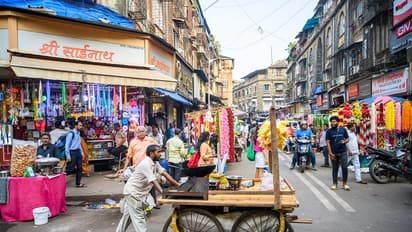
The Brihanmumbai Municipal Corporation (BMC) has launched a Rs 100-crore project to revamp footpaths on 14 key roads, aiming to make Mumbai more pedestrian-friendly. These "model footpaths" will be designed by urban planners to improve safety.
Mumbai is set for a major pedestrian-friendly upgrade. The Brihanmumbai Municipal Corporation (BMC) has launched a massive footpath revamp project worth over Rs 100 crore, covering 14 key roads across the island city and suburbs. From smoother walkways to safer crossings, commuters can expect noticeable improvements in the coming months.
210
Why the Footpath Revamp Matters
For years, Mumbai's footpaths have been uneven, cluttered, or too narrow for safe movement. The new project aims to change that by creating "model footpaths" that can eventually be replicated across the entire city. BMC officials say the push is part of a larger effort to make the city more walkable, accessible, and comfortable for everyday commuters.
310
What the Upgrade Includes
As part of the revamp, the BMC will upgrade civil infrastructure, install thermoplastic road markings, add modern traffic signages, and repair kerbstones and road dividers. The goal is not just smoother walking surfaces but cleaner, safer, and better-organized streets.
A phased implementation plan will allow officials to test ideas, gather feedback, and make adjustments before expanding the model elsewhere.
To ensure high standards, BMC is bringing in urban planners to design the new footpaths. Their designs will follow the Indian Roads Congress (IRC) code and will be applied on selected "pilot roads." After observing how these stretches perform, planners will tweak layouts if needed.
Their focus areas include:
Pedestrian safety
Accessibility
Aesthetics
Functional design that suits Mumbai's high footfall
This means citizens can expect footpaths that are not only safer but also visually cleaner and more consistent.
510
Better Access for Differently-Abled Citizens
One major highlight of the project is its commitment to inclusivity. Footpaths will be redesigned following Sugamya Bharat Abhiyan guidelines, ensuring they are friendly for the differently-abled.
Key features include:
Maximum height capped at 150 mm
Ramps for easy access
Tactile pathways to guide visually impaired citizens
Smooth surfaces suitable for wheelchairs
Audits will be carried out to identify locations needing immediate accessibility upgrades.
610
Walkability Takes Centre Stage
Improving walkability has been a recurring theme in recent BMC budgets. The corporation aims to make walking not just possible but pleasant.
The revamped footpaths will improve:
Width and walking space
Surface quality
Pedestrian safety
Convenience for seniors and daily commuters
Better walkways also mean fewer short-distance vehicle trips, which helps reduce congestion and pollution.
710
Where the Money Is Going
The Rs 100-crore budget covers everything from design to construction to safety audits. BMC officials say the investment reflects a growing commitment to non-motorized transport and safer pedestrian corridors.
Phased execution will allow for better monitoring and quality control.
810
Pilot Roads That Will See the First Makeover
The project will begin with several well-known roads across Mumbai:
Western Suburbs:
Juhu Tara Road
Veera Desai Road
Military Road
SV Road
Eastern Suburbs:
Saki Vihar Road
Purushottam Kheraj Marg
Mahatma Gandhi Road
Bal Rajeshwar Marg
Island City:
Shahid Bhagat Singh Road
DN Road
Senapati Bapat Marg
Balasaheb Ambedkar Road
These stretches will serve as "model footpaths," showcasing what future pedestrian pathways across Mumbai could look like.
910
What Pedestrians Can Expect
The upgraded pathways will feature:
Ramps and tactile tiles
Clear lane markings
Modern signage
Durable materials
Better lighting
Improved street-level aesthetics
By reducing the conflict between vehicles and pedestrians, the project aims to make walking safer and more enjoyable.
1010
Built on Strong Policy Frameworks
The revamp is guided by the BMC's 'Pedestrian First' and 'Universal Footpath Policy', which set standards for footpath height, width, design, accessibility, and maintenance. These policies ensure consistency and help integrate features for differently-abled citizens across all future projects.