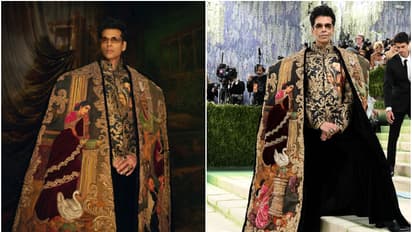
Met Gala 2026: Karan Johar made a striking Met Gala 2026 debut, turning heads in a handcrafted ensemble inspired by Raja Ravi Varma, blending Indian art, couture, and cinematic storytelling on a global stage
Karan Johar stepped onto the iconic Met Gala carpet for the first time, instantly drawing attention. Known for his flair in cinema and style, his debut was not just about appearance—it was about making a statement. He embraced the evening’s theme, “Costume Art,” with a look that felt both personal and culturally rooted.
26
Inspired by the Legacy of Raja Ravi Varma
Johar’s outfit took direct inspiration from Raja Ravi Varma, whose paintings are celebrated for their emotional depth and mythological storytelling. Johar shared that the artist’s ability to “paint feelings” resonated deeply with his own approach to filmmaking, making the choice both meaningful and symbolic.
36
Crafted by Manish Malhotra’s Vision
The ensemble was designed by Manish Malhotra, who transformed the concept into a couture masterpiece. The outfit featured a dramatic hand-painted cape paired with sleek black pants and matching sunglasses, creating a balance between tradition and modern sophistication.
What made the outfit truly remarkable was the level of detail and effort involved. The artisans dedicated around 5,600 hours to create the piece, which took 86 days to complete. The cape showcased zardozi borders, three-dimensional pillars, lotus and swan motifs, and a meticulously hand-painted jacket lining—each element adding depth and richness.
56
A Canvas Brought to Life with Paint and Texture
Unlike printed designs, every detail on the ensemble was painted by hand using acrylic and oil finishes. The final touches included varnishing to give the artwork a museum-like quality, ensuring it resembled authentic paintings rather than fabric embellishments. This approach turned the outfit into a wearable piece of art.
66
A Statement of Authenticity and Cultural Pride
Johar was clear about avoiding shortcuts—no digital prints or simulated designs were used. His aim was to stay true to traditional artistry and present Indian culture in its purest form. By doing so, he not only honored the craftsmanship but also showcased Indian heritage on one of the world’s most prestigious fashion platforms. His social media post further reflected gratitude and pride, describing himself as a “canvas” for the designer’s art.