Met Gala 2026: Isha Ambani’s 1800-Carat Met Look Is a Tribute to Indian Heritage (PHOTOS)
Published : May 05, 2026, 08:32 AM IST
Met Gala 2026: At the Met Gala 2026, Isha Ambani delivered a breathtaking tribute to Indian heritage, blending rare jewels, historic elements, and master craftsmanship into a look that redefined luxury on the global stage
13
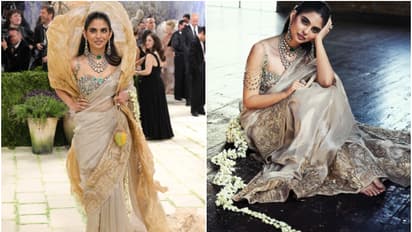
A Jewel-Heavy Masterpiece Rooted in Heritage
Isha Ambani turned heads in a custom creation by Gaurav Gupta, designed to honour centuries of Indian artistry. Her saree was more than couture—it was a cultural statement. The blouse alone featured over 1,000 diamonds and precious stones, together weighing more than 1,800 carats.
Crafted by 40 skilled artisans from across India, the ensemble seamlessly blended heirloom and contemporary elements. Styled by Anaita Shroff Adajania, the look incorporated old mine diamonds from Nita Ambani’s private collection, paired with rare emeralds and polki (uncut diamonds set in gold). The result was a striking balance—deeply traditional yet undeniably modern.
Read more
Read more Photos on