$435 Million a Day: Iran’s Economy Bleeds Under US Hormuz Blockade
Synopsis
A US naval blockade of Iranian ports in the Strait of Hormuz aims to exert significant economic pressure on Tehran. The move is projected to cost Iran up to $435 million daily by disrupting its oil exports.
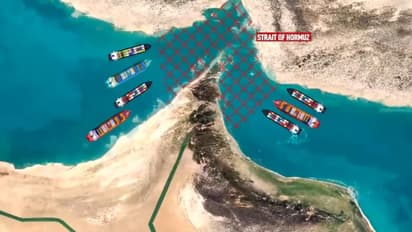
The United States’ naval blockade of Iranian ports in the Strait of Hormuz is expected to inflict massive economic damage on Tehran, with estimates suggesting losses of up to $435 million (₹4,081 crore) per day. The move marks a major escalation in the ongoing conflict between Washington and Tehran, with significant implications for global energy markets and regional stability.
According to assessments cited in reports, the financial hit stems largely from disruptions to Iran’s oil exports, which form the backbone of its economy. The blockade restricts vessels entering and exiting Iranian ports, severely limiting Tehran’s ability to ship crude oil, petrochemicals, fertilisers and other goods. Analysts warn that this could trigger broader economic consequences, including rising inflation within Iran due to supply disruptions.
A key estimate from Miad Maleki, a former US Treasury official, highlights the scale of the potential losses. He stated, “The US quarantine of Iran's ports will cost Iran about $435 million a day in economic damage,” underlining the intensity of the pressure being applied.
Oil Exports Hit, But Buffers Remain
The Strait of Hormuz is one of the world’s most critical energy chokepoints, handling roughly 20% of global oil trade, making any disruption immediately impactful on international markets.
Iran exports around 1.5 million barrels of oil daily, much of it passing through this narrow waterway. With the blockade in place, a significant portion of these exports is now at risk, potentially cutting off a major revenue stream.
However, analysts note that the immediate economic shock may be partially cushioned. Iran is believed to have approximately 154 million barrels of oil already stored outside the blockade-affected Gulf waters, providing a temporary buffer against supply disruptions.
Additionally, Tehran may attempt to reroute exports through alternative terminals such as Jask, located outside the Strait of Hormuz. The effectiveness of such measures, however, remains uncertain and depends on the enforcement strength of the US blockade.
Also Read: Trump's Hormuz Blockade: World's Costliest Toll War
Blockade Disrupts Global Markets
The blockade comes after the collapse of US-Iran peace talks and is part of a broader strategy to pressure Iran economically and militarily. The United States has deployed significant naval resources to enforce the restrictions, warning that vessels linked to Iranian ports could be intercepted.
The immediate impact has been visible in global energy markets. Oil prices surged past $100 per barrel as fears of supply disruptions intensified, reflecting the high stakes tied to the Strait of Hormuz.
Shipping activity in the region has also been severely affected. Tankers have turned back, and maritime traffic has slowed dramatically, highlighting the risks faced by commercial vessels operating in the area.
Beyond oil, the disruption extends to other critical commodities such as fertilisers and food supplies, many of which rely on smooth transit through the Gulf. This raises concerns about potential ripple effects on global inflation and supply chains.
Strategic Pressure and Uncertain Outcome
The US blockade is designed to weaken Iran’s economic position and force concessions in ongoing geopolitical negotiations. By targeting the country’s primary revenue source—oil exports—Washington aims to increase pressure without direct large-scale military confrontation.
However, experts caution that the actual economic impact will depend on several variables, including how effectively the blockade is enforced and Iran’s ability to adapt. If Tehran successfully reroutes exports or leverages its existing reserves, the financial losses could be mitigated in the short term.
At the same time, the broader consequences of the blockade could extend far beyond Iran. Given the Strait’s central role in global energy supply, prolonged disruption risks destabilising international markets, increasing fuel prices and affecting economies worldwide.
The situation remains fluid, with both sides signalling the possibility of further negotiations even as tensions rise. Reports suggest that a new round of talks may be considered, offering a potential diplomatic pathway to de-escalation.
For now, the Hormuz blockade represents a high-stakes economic and geopolitical gamble. While it has the potential to significantly strain Iran’s economy, it also carries the risk of triggering wider global repercussions, making it one of the most consequential developments in the ongoing crisis.
Also Read: ‘Don’t Interfere’: China Warns US Over Hormuz Blockade, Backs Iran Amid Rising Tensions