Heated Cuba Debate At UN Turns Physical As US And Cuban Diplomats Clash In Front Of Delegates (WATCH)
Synopsis
A heated dispute at the United Nations moved beyond procedural disagreements, triggering diplomatic fallout and drawing fresh attention to already strained relations between Washington and Havana.
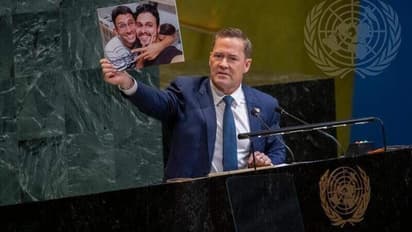
An already tense debate at the United Nations erupted into a major diplomatic confrontation after the United States accused a Cuban diplomat of physically confronting an American official following a heated exchange over Cuba policy.
The dispute unfolded during a General Assembly session where US Ambassador Mike Waltz and Cuban Foreign Minister Bruno Rodríguez Parrilla engaged in a contentious argument over the longstanding American economic embargo against Cuba.
According to statements made by Waltz, the incident began when a member of Cuba’s delegation allegedly attempted to pressure United Nations staff to cut the American audio feed while he was delivering remarks critical of the Cuban government.
Waltz claimed the situation escalated further when a US staff member intervened after noticing the interaction. He alleged that the same Cuban representative then attempted to intimidate the American official as well.
The disagreement quickly expanded beyond procedural objections on the assembly floor and became one of the most dramatic diplomatic incidents seen at the United Nations in recent years.
US officials later alleged that the confrontation turned physical behind the scenes.
According to Waltz, a Cuban diplomat pushed and attempted to assault a US diplomat after tensions boiled over during the debate. The accusation immediately elevated the dispute from a diplomatic disagreement to an international incident involving allegations of physical misconduct.
The Cuban official was identified as Richard Tur de la Concepción, First Secretary of Cuba's Permanent Mission to the United Nations.
In response, US Secretary of State Marco Rubio signed documentation ordering the diplomat’s expulsion from the United States, making the altercation the central development driving the diplomatic fallout.
Floor Dispute Triggered Broader Diplomatic Fallout
Before the physical confrontation, the General Assembly session had already become increasingly confrontational.
Rodríguez repeatedly challenged Waltz’s remarks through procedural points of order, disrupting the American ambassador’s speech and creating an atmosphere of escalating tension inside the chamber.
The exchanges intensified as both sides argued over US policy toward Cuba.
According to the account provided, Rodríguez eventually moved toward the podium area during the dispute, prompting a strong reaction from Waltz. The American envoy repeatedly demanded that the Cuban delegation step back, turning what had begun as a diplomatic disagreement into a highly visible public confrontation.
The atmosphere became so volatile that proceedings were temporarily interrupted.
Witnesses described scenes of disorder as the exchange unfolded in front of delegates from numerous countries attending the session.
The confrontation highlighted the continuing strain in relations between Washington and Havana, where longstanding disagreements over sanctions, governance and human rights frequently generate diplomatic friction.
The United States treated the matter as a serious breach of diplomatic conduct, responding with immediate action against the Cuban official involved.
Neither the broader debate over the embargo nor the procedural disputes ultimately became the dominant story. Instead, the physical encounter and subsequent expulsion quickly emerged as the defining elements of the incident.