First Karwa Chauth 2026? 7 Things Every Newlywed Should Know Before Fasting
Synopsis
Celebrating your first Karwa Chauth on October 29, 2026, involves understanding essential rituals like preparing the Sargi thali, fasting rules, and the evening puja. This guide outlines seven crucial traditions, from dressing in traditional attire to the moonrise ceremony, helping newlyweds navigate family customs.
Karwa Chauth 2026: Although celebrating your first Karwa Chauth following marriage might be thrilling, there may be a lot of doubts. Before the event, newlyweds may wish to learn about a number of rituals, such as how to prepare the traditional Sargi thali, comprehend fasting regulations, and do the evening puja.
On Thursday, October 29, 2026, Karwa Chauth will be celebrated. In northern India, where married women often fast and offer prayers for their husbands' long lives and well-being, the event is especially well-liked. Planning the first Karwa Chauth celebration may be made simpler by knowing the fundamental traditions, even though customs vary across families and geographical areas.
Here are 7 important things to know before observing your first Karwa Chauth.
1. Start Your Day With Sargi Before Sunrise
One of the most significant customs connected to Karwa Chauth is sargi. Traditionally, a mother-in-law will make or give her daughter-in-law this pre-dawn dinner. Fruits, dried fruits, nuts, chocolates, mathri, parathas, and other handmade meals are frequently included in the Sargi thali. Eating a well-balanced lunch and drinking enough water before daybreak will assist ladies who intend to keep a traditional fast be ready for the day. However, there isn't a single required meal, and Sargi customs differ among houses.
2. Understand the Karwa Chauth Fasting Rules
Karwa Chauth is historically connected with a nirjala vrat, in which believers refrain from eating and drinking from dawn till the moonrise rite. However, fasting habits are not the same in every household. Some women follow modified fasts based on their health, circumstances, and personal beliefs. First-time observers should grasp their family's rituals while putting their health first. Pregnant or lactating women, diabetics, and those on regular medication should seek medical guidance before trying a lengthy or waterless fast.
3. Prepare Your Karwa Chauth Puja Thali in Advance
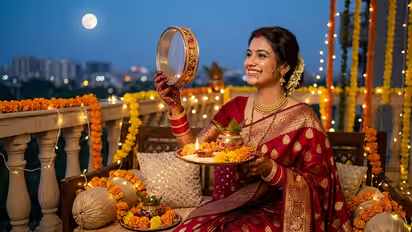
An essential component of the festivities is the evening puja. One way to prevent misunderstanding at the last minute is to prepare the necessary things in advance. A diya, roli or kumkum, rice grains, flowers, candies, water, and a little clay container called a karwa may all be found in a traditional Karwa Chauth puja thali. During the moon-viewing ritual, many families also utilize a sieve. Newlyweds can speak with family elders about any extra items needed for the puja, as the precise materials and arrangements vary depending on household and regional customs.
4. Dress Up in Traditional Attire and Apply Mehendi
The first Karwa Chauth is also a time for many newlyweds to don jewelry and festive attire. Bright colors like pink, maroon, and red are common options. Depending on their tastes, women might pick classic suits, sarees, or lehengas. Wearing traditional jewelry and applying mehendi are other typical aspects of the festivities. Sixteen types of wedding decoration are part of the solah shringar custom, which is practiced by some families. But not everyone is required to follow these traditions, and women are free to celebrate by dressing whichever they find comfortable and meaningful.
5. Know the Importance of Karwa Chauth Vrat Katha
Women typically congregate to hear or perform the Karwa Chauth Vrat Katha during the evening puja. According to one popular account, Veeravati's brothers deceived her into thinking the Moon had risen before it actually did. The narrative emphasises patience, commitment, and the value of breaking the fast in accordance with custom. The narrative may be told differently by families, and various groups may have distinct puja customs.
6. Understand the Moonrise Ritual and How to Break the Fast
The traditional Karwa Chauth ritual culminates at moonrise. When the Moon becomes visible, devotees offer water (arghya) and pray. In many families, ladies stare at the Moon through a sieve before gazing at their spouses. Traditionally, the husband gives his wife water and food to assist her break the fast. Some couples choose to fast together as a personal statement of affection and devotion. Because moonrise times vary by city, devotees should check the time for their specific region before organising their evening rites.
7. Remember That First Karwa Chauth Traditions Differ Across Families
Other traditions involving parents and in-laws could be observed at the first Karwa Chauth. As part of a custom known as Baya, the bride's parents may give presents, candies, clothing, or other goods. Additionally, mothers-in-law may give their daughters-in-law jewelry, clothes, or Sargi. Not all households, nevertheless, adhere to the same customs. Elders in the family may help newlyweds understand their customs and choose how to celebrate.
For newlyweds, the first Karwa Chauth is frequently an unforgettable event. The celebration is linked to family unity, dedication, and prayers for a successful married life in addition to fasting and customs. The ceremony may be made more organized by planning Sargi, getting the puja supplies ready, and researching the local moonrise times beforehand. Most importantly, rather than viewing rigid fasting as a must, festival goers should think about their comfort and well-being.
Explore the latest Lifestyle NewsFood and RecipesHealth NewsAsianet News Official App