Feeling Bloated All the Time? Know When This Everyday Symptom Could Signal Ovarian Cancer
Synopsis
Persistent bloating is often caused by digestive issues, but when it keeps returning or occurs with other symptoms, it may need medical attention. Know why bloating is discussed as a possible ovarian cancer warning sign.
Bloating after a heavy meal or during your menstrual cycle is common. It usually settles on its own. But when your abdomen feels persistently swollen, your clothes begin to fit differently around the waist, or you feel full after eating only a small amount, it is worth paying attention.
Ovarian cancer can cause these symptoms. The difficulty is that they often resemble digestive problems, making it easy to overlook a pattern that needs medical attention.
Understanding when bloating needs a closer look
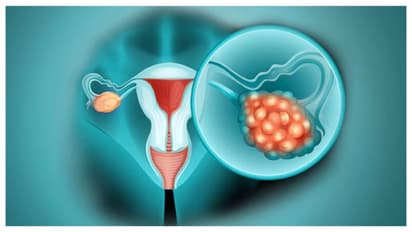
Ovarian cancer develops when abnormal cells grow in one or both ovaries. Some types can spread within the abdomen, causing fluid to collect and the stomach to appear swollen. A tumour may also press against nearby organs, affecting digestion and bladder function.
Persistent bloating is one of the symptoms associated with ovarian cancer. Other symptoms include pelvic or abdominal pain, difficulty eating, feeling full quickly, and needing to urinate more frequently or urgently.
The pattern matters. If bloating occurs occasionally after certain foods and disappears within a few hours, it is less concerning. If it happens frequently, persists for several weeks, or becomes progressively worse, you should get it checked.
Pay attention to changes in your usual routine
You may notice that you feel full after eating a small portion, struggle with meals you previously managed comfortably, or experience abdominal discomfort without an obvious dietary trigger.
Some women also report changes in bowel habits, lower back pain, or unexplained fatigue. These symptoms are common in many conditions, including constipation, irritable bowel syndrome and hormonal changes. Their presence does not automatically mean cancer.
What deserves attention is a change from your normal pattern, especially when several symptoms occur together or continue despite routine measures.
When should you see a doctor?
If you experience bloating, pelvic pain, early fullness or urinary changes frequently, particularly if they occur more than 12 times a month, consult a gynaecologist. Symptoms that persist for three weeks or keep returning deserve an assessment.
Your doctor may ask about your symptoms, menstrual history and family history of cancer. Depending on the findings, you may need a pelvic examination, a CA-125 blood test or an ultrasound of the abdomen and pelvis. These tests help identify possible causes, but no single test can confirm or rule out ovarian cancer in every case.
If your mother, sister or daughter has had ovarian or breast cancer, mention it during your consultation. Certain inherited gene changes, including BRCA1 and BRCA2, can increase ovarian cancer risk.
There is currently no reliable routine screening test for ovarian cancer in people without symptoms and without a known high-risk condition. This makes it important to recognise persistent changes in your body and seek medical advice rather than repeatedly treating them as digestive discomfort.
Bloating alone does not mean you have ovarian cancer. But if it is new, frequent or getting worse, do not keep adjusting your diet and waiting for it to disappear. Get it evaluated.
-This article is authored by Dr. Sravan Kumar, Consultant - Medical Oncology and Bone Marrow Transplant Physician, Manipal Hospitals Vijayawada
Explore the latest Lifestyle NewsFood and RecipesHealth NewsAsianet News Official App