Bathroom Cleaning Hack: Hard Water Leaving White Marks On Toilet Bowls, Taps? Try This Simple DIY Fix
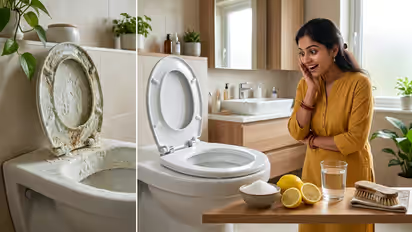
Synopsis
Stubborn bathroom limescale caused by hard water can resist common DIY cleaners like vinegar and baking soda. Using citric acid offers a highly effective, targeted solution for dissolving these tough mineral deposits on toilets, taps, and showers.
That stubborn white or brown buildup around the toilet, taps and shower surfaces can be one of the most frustrating bathroom-cleaning problems. While vinegar and baking soda are among the most popular DIY cleaning solutions, they may not always be enough for thick, hardened limescale.
A simple alternative that can be particularly useful against mineral deposits is citric acid. The compound, also naturally found in citrus fruits, works by reacting with the mineral deposits left behind by hard water.
Why Does Limescale Form?
Limescale is largely made up of calcium carbonate and develops when hard water repeatedly dries on a surface. In toilets, it can accumulate around the waterline, beneath the rim and in other areas that remain exposed to mineral-rich water.
Over time, the deposits can become increasingly hard and difficult to remove with ordinary scrubbing.
Baking soda is alkaline and is more useful as a mild abrasive, while vinegar is acidic but may struggle against particularly thick deposits. Citric acid offers a more targeted option for mineral buildup.
How To Use Citric Acid On A Toilet?
For stubborn toilet limescale, the cleaning process requires some patience rather than aggressive scrubbing. Start by dissolving two to three tablespoons of citric acid in hot water. Pour the solution into the toilet bowl, making sure it reaches the areas affected by the buildup, including around the waterline and beneath the rim.
Leave the solution to work overnight. The longer contact time allows the acid to loosen the mineral deposits. The next morning, scrub the affected areas with a toilet brush and flush thoroughly.
For particularly thick deposits, the process may need to be repeated. The source also suggests that a wet pumice stone can help with extremely stubborn buildup when used gently on suitable porcelain surfaces.
What About Taps And Shower Surfaces?
You don't necessarily need to use the same method on vertical surfaces. One simple option is to cut a lemon in half and rub it directly over the limescale. Since lemon contains citric acid, its juice can help loosen mineral deposits. Leave it on the affected area for around 10 to 15 minutes, then rinse with hot water.
For heavier buildup around a tap, a cloth soaked in a citric-acid solution can be wrapped around the affected area and left for longer before rinsing.
Don't Mix Acids With Bleach
There is one important safety rule to remember: never combine citric acid or other acidic cleaners with bleach.
Mixing acids with bleach can produce toxic gases. If you have previously used another bathroom-cleaning product, rinse the surface thoroughly before applying a different cleaner.
How To Prevent Limescale From Returning?
Removing an established layer of limescale is only half the job. Regular maintenance can make future cleaning much easier. A quick weekly scrub of the toilet can prevent mineral deposits from becoming heavily established. A small amount of citric-acid treatment from time to time may also help keep buildup under control.
It's also worth checking for leaking or constantly running toilets. A continuous flow of water can leave a permanent wet area where minerals accumulate. Keeping the bathroom properly ventilated can help too, as reducing persistent moisture may limit the conditions that encourage deposits and other bathroom grime. Vinegar can still be useful for lighter mineral films, but when hard-water deposits have built up over months, a more targeted descaling approach may be worth trying.
Explore the latest Lifestyle NewsFood and RecipesHealth NewsAsianet News Official App