Bengaluru Waste Management: Smart On-Site Garbage Disposal Project Launched to Tackle City Waste Crisis
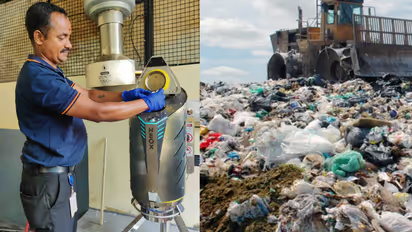
Synopsis
Bengaluru has launched a smart waste management initiative in collaboration with Neo San and the Karnataka Government to install on-site waste processing machines. The project aims to reduce garbage issues, improve hygiene, and cut pollution from biomedical waste burning across the city.
Waste management has long been one of Bengaluru's biggest civic challenges. From overflowing bins and indiscriminate dumping to delays in garbage collection and concerns over the disposal of sanitary and biomedical waste, residents across the city have faced persistent problems. In a significant move aimed at improving urban cleanliness and public health, the Karnataka Government and the Greater Bengaluru Authority have launched a new initiative that could transform the way waste is managed in the city.
Under the project, Bengaluru-based clean-tech company Neo San will install advanced smart waste-processing machines across key public facilities, enabling waste to be treated and disposed of at the point of generation.
A New Solution To Bengaluru's Waste Challenge
Neo San has developed high-tech thermal waste processors capable of safely disposing of waste on-site, reducing the need for transportation and centralised processing. The initiative is expected to address one of the most challenging aspects of urban waste management, particularly the handling of sanitary and biomedical waste.
Through its collaboration with the Karnataka Government, Neo San's technology will be deployed across various institutions and public facilities in Bengaluru. The project aims to establish a certified on-site waste management system that is both efficient and environmentally responsible.
Bengaluru Becomes The Second City In The World
The initiative supports innovative solutions focused on sustainability, hygiene and public health. Bengaluru has become the second city in the world to host this programme after San Francisco in the United States, marking a significant milestone in the adoption of advanced waste-management technologies.
Safe And Scientific Waste Disposal
Funding provided under the initiative will be used to install Neo San's 'Neo-X' units, which are designed to process waste safely at the source. The machines will be introduced in phases across government schools, colleges, Primary Health Centres (PHCs), women's hostels, government housing complexes and other public buildings throughout Bengaluru.
The project is expected to benefit more than 5,000 women while also improving working conditions for pourakarmikas and sanitation workers, who often handle hazardous waste during manual segregation.
Reducing Pollution And Protecting Workers
Government schools, PHCs and women's hostels generate significant quantities of sanitary pads, bandages, used tissues and clinical waste every day. In the absence of proper disposal systems, much of this waste has traditionally been burnt in the open.
According to project officials, the open burning of such waste contributes nearly 11 per cent of Bengaluru's PM2.5 pollution, making it the city's third-largest source of pollution after vehicular emissions and industrial activity.
In addition to environmental concerns, sanitation workers frequently handle hazardous waste without adequate protective equipment, exposing them to health risks. The Neo San initiative aims to address these challenges by promoting safe waste disposal, improving worker safety, enhancing public health and contributing to cleaner air across the city.
By combining technological innovation with sustainable waste-management practices, the project seeks to bridge the gap between environmental protection, worker dignity and community well-being.
Stay updated with the Breaking News Today and Latest News from across India and around the world. Get real-time updates, in-depth analysis, and comprehensive coverage of India News, World News, Indian Defence News, Kerala News, and Karnataka News. From politics to current affairs, follow every major story as it unfolds. Download the Asianet News Official App from the Android Play Store and iPhone App Store for accurate and timely news updates anytime, anywhere.