Bengaluru's traffic management takes a hi-tech leap: AI to control 136 signals
Synopsis
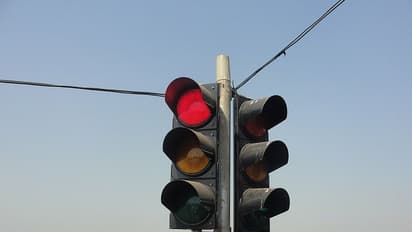
The city of Bengaluru made a groundbreaking decision during Thursday's cabinet meeting to upgrade 136 traffic signals through an artificial intelligence system, advancing its traffic management. The move aims to tackle the persistent issue of traffic congestion in the bustling city. Already equipped with this cutting-edge technology at 29 signals, the government now plans an extensive upgrade, implementing adaptive traffic control to enhance efficiency and responsiveness.
This AI-driven system will depart from conventional fixed-time signals, dynamically adjusting green signal durations based on real-time traffic conditions. According to insights from the Bengaluru City Traffic Department, the adaptive traffic system utilises artificial intelligence to detect traffic density, prioritising routes with longer queues for extended green signals. The system's intelligence also allows for swift signal changes if a vehicle crosses a route within a stipulated time, optimising traffic flow across the city.
Also Read: Karnataka: CM Siddaramaiah directs authorities to prepare for COVID combat
Furthermore, the synchronisation technology enables signals to communicate with each other, sharing information about traffic conditions. Signals upstream are informed about congested routes, allowing them to adjust green signal durations accordingly. With an approved budget of ₹58.54 crore, the cabinet has given the green light for the upgradation and maintenance of these signals.
Bengaluru currently has approximately 398 traffic signals, and the upgraded signals will strategically be placed at locations experiencing a high volume of 8 thousand vehicles per hour. Law Minister H.K. Patil emphasised the significance of this investment, highlighting the positive impact it will have on easing traffic woes and improving overall transportation efficiency in the city.
Stay updated with the Breaking News Today and Latest News from across India and around the world. Get real-time updates, in-depth analysis, and comprehensive coverage of India News, World News, Indian Defence News, Kerala News, and Karnataka News. From politics to current affairs, follow every major story as it unfolds. Download the Asianet News Official App from the Android Play Store and iPhone App Store for accurate and timely news updates anytime, anywhere.