Middle East Tensions Trigger Airfare Surge: India-London Flights Hit ₹9 Lakh, Routes Stretch to 25 Hours
Synopsis
Escalating Middle East tensions have disrupted global air travel, particularly for Indian passengers flying to Europe. Airspace closures are forcing airlines to cancel, reroute flights, causing significantly longer journeys and soaring ticket prices.
Escalating tensions in the Middle East, triggered by the ongoing Iran-related conflict, have thrown international air travel into disarray, particularly affecting Indian passengers flying to Europe. With key airspace across West Asia becoming unsafe or restricted, airlines have been forced to cancel flights, reroute aircraft, and drastically alter schedules, leading to widespread disruption and soaring ticket prices.
One of the most visible impacts has been on routes connecting India to London, a major travel corridor. Direct flights have become scarce, and fares have surged sharply due to limited availability and heightened demand.
Ticket prices skyrocket
Reports indicate that ticket prices for non-stop journeys have skyrocketed, with some last-minute fares reaching exceptionally high levels. Even relatively lower fares have jumped significantly compared to normal pricing trends, reflecting the strain on the aviation network.
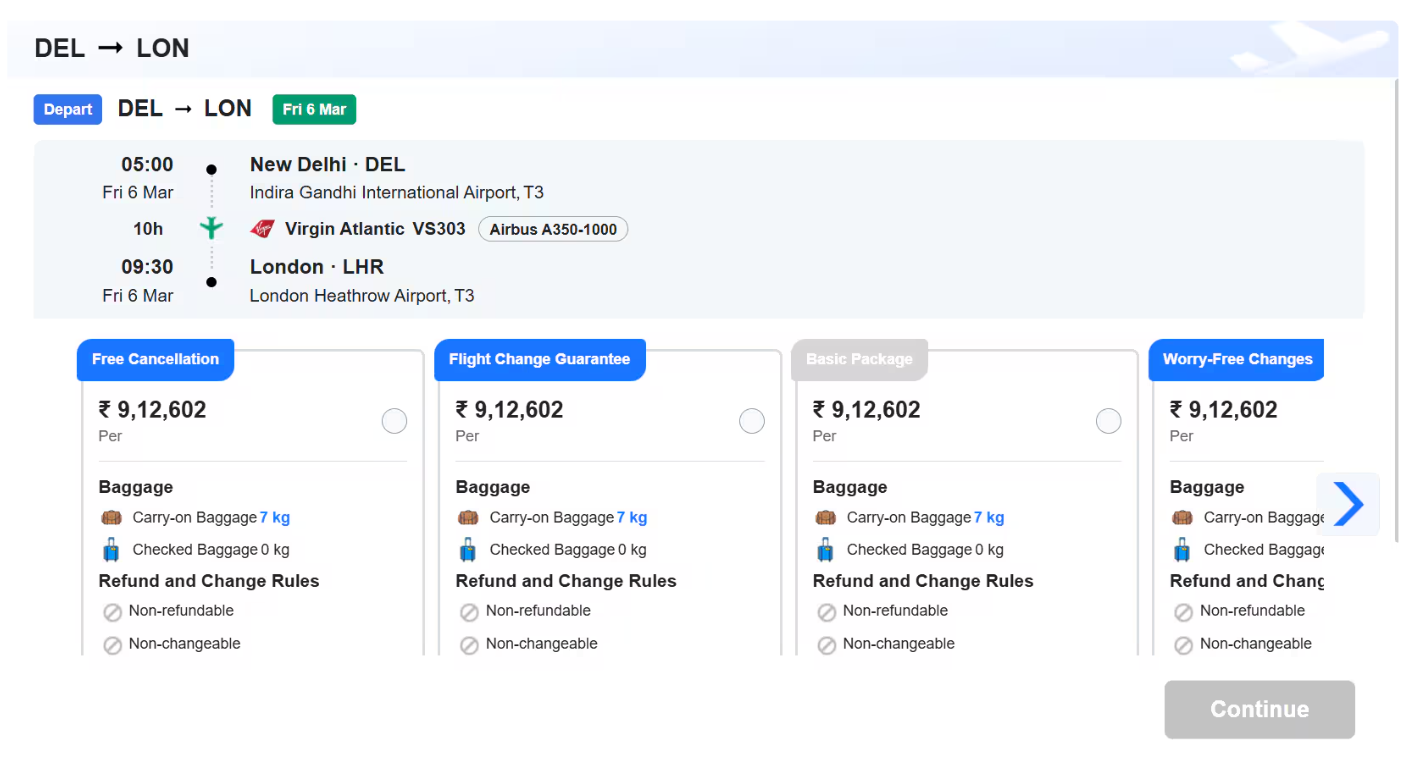
Airspace closures across critical transit hubs in the Middle East—including regions that serve as key connectors between Asia and Europe—have forced airlines to take longer, alternative routes. These detours often involve flying over safer but less direct paths, significantly increasing travel time. In many cases, what would typically be a 9–10 hour direct journey has extended to over 20–25 hours with stopovers, adding to passenger inconvenience and operational costs.

The disruption is not limited to pricing and travel duration. Hundreds of flights have been cancelled globally due to safety concerns, leaving thousands of passengers stranded at airports. Indian carriers, along with major international airlines, have either suspended or reduced services to affected regions. Airports in India have also experienced operational stress, with cancellations, diversions, and congestion becoming common.
Also Read: Indian students relocated from Tehran safely reach Qom amid tensions
Regulatory authorities and airlines have issued advisories highlighting increased risks in the region, including concerns over aviation safety in conflict zones. As a result, carriers are prioritizing passenger safety by avoiding high-risk airspace, even if it means longer routes and higher fuel consumption.
The situation underscores how geopolitical conflicts can rapidly ripple through global systems, particularly aviation. For travellers, it translates into higher costs, longer journeys, and significant uncertainty. Unless tensions ease and airspace restrictions are lifted, disruptions are likely to persist, keeping fares elevated and travel plans unpredictable for the foreseeable future.
Stay updated with the Breaking News Today and Latest News from across India and around the world. Get real-time updates, in-depth analysis, and comprehensive coverage of India News, World News, Indian Defence News, Kerala News, and Karnataka News. From politics to current affairs, follow every major story as it unfolds. IMD cities weather forecastsRain Cyclone Asianet News Official App