India’s Unbreathable Air: Loni And Delhi Rank Among World’s Most Polluted Cities
Synopsis
Struggling to breathe? The 2025 World Air Quality Report reveals India's severe pollution crisis, naming Loni the world's most polluted city. Learn the causes and risks.
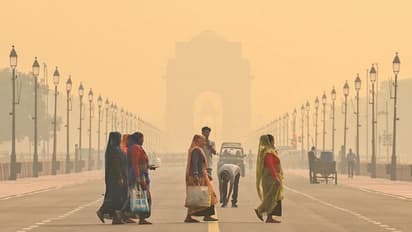
India’s air pollution issue has reached an alarming new stage, as revealed by the latest global assessments. The 2025 World Air Quality Report from IQAir confirms that the air is becoming increasingly unsafe to breathe. The report highlights that India is at the heart of a growing global problem, with several of its cities ranked among the most polluted in the world.
Worst Cities
At the top of the list is Loni, Ghaziabad, identified as the most polluted city worldwide. The study reviewed data from over 9,400 cities across 143 countries, finding that South Asia remains the most affected region.
Countries such as India, Pakistan, and Bangladesh lead the list. In fact, all 25 of the most polluted cities globally are located in India, Pakistan, and China, with India alone responsible for three of the top four.
Indian Hotspots
In addition to Loni, other heavily polluted Indian cities in the rankings include Byrnihat, Delhi, and Mullanpur. These cities are shaped by a mix of factors contributing to pollution, such as fast-growing urban areas, industrial emissions, vehicle exhaust, and seasonal activities like crop burning. All these factors combine to create dangerously high air pollution levels.
The situation becomes even more concerning when compared to global health guidelines. The World Health Organisation advises that annual PM2.5 levels should not go beyond 5 micrograms per cubic metre. However, only 14 per cent of cities worldwide meet this standard, and India is not among them. This shows that there is still a major failure in controlling pollution effectively.
Also read: Experts Warn Rapid Urbanisation Threatens Maharashtra’s Natural Ecosystems
Health Risks
In cities like Loni, the situation is particularly bad. The report states that the annual average PM2.5 level reached 112.5 micrograms per cubic metre, over 22 times the recommended limit, and even higher than the previous year.
Such extreme pollution levels are connected to serious health issues, including respiratory illnesses, heart disease, cancer, and reduced life expectancy. For many people, this is no longer a temporary concern but a constant threat to health.
Pollution Causes
India’s position in the global pollution rankings is closely linked to its rapid development. While economic growth has improved living standards, it has also placed more pressure on the environment.
Dust from construction, coal-based energy, diesel vehicles, and weak enforcement of environmental regulations continue to worsen air quality. Northern regions, especially the Indo-Gangetic plains, are especially vulnerable because weather conditions often trap pollutants near the ground.
Urban areas like Delhi-NCR, where Loni is located, face additional difficulties during the winter months. Temperature inversions prevent pollution from spreading out, causing it to gather in the air. Seasonal crop burning in nearby states further worsens the problem, turning the region into a pollution hotspot that affects millions of people.
Global Picture
The report shows that air pollution is a worldwide issue. In 2025, pollution levels increased in 54 countries, while 75 saw some improvement. However, 91 per cent of countries still fail to meet safe air quality standards.
Events like large wildfires in parts of Europe and North America have also increased global air pollution by releasing massive amounts of carbon into the atmosphere.
Monitoring Gaps
The report also points out a lack of proper air quality monitoring. While India has expanded its monitoring network, many areas still do not have reliable real-time data.
This creates gaps in understanding how pollution affects people and makes it harder to develop effective solutions. Experts believe that better monitoring systems and wider access to data could help governments take more targeted actions.
Growing Health Burden
The impact on public health is already substantial. Long-term exposure to polluted air is linked to asthma, lung cancer, strokes, and heart disease. Children and older adults are especially at risk, with studies showing effects on brain development and overall life quality.
India already has one of the highest numbers of pollution-related deaths globally, and this could rise further without immediate action.
Despite the serious situation, efforts are being made to address the crisis. India has launched programmes such as the National Clean Air Programme to reduce pollution in major cities.
However, experts say stronger and more comprehensive measures are needed, including stricter emission regulations, a transition to cleaner energy, improved public transport, and better urban planning to effectively deal with the problem.
Also read: TERRIFYING! Study Predicts How Many People Will Die By 2050 if Climate Crisis Worsens
Stay updated with the Breaking News Today and Latest News from across India and around the world. Get real-time updates, in-depth analysis, and comprehensive coverage of India News, World News, Indian Defence News, Kerala News, and Karnataka News. From politics to current affairs, follow every major story as it unfolds. IMD cities weather forecastsRain Cyclone Asianet News Official App