Delhi Weather Today: Scorching Heat, Bright Sunshine and High Humidity to Persist
Synopsis
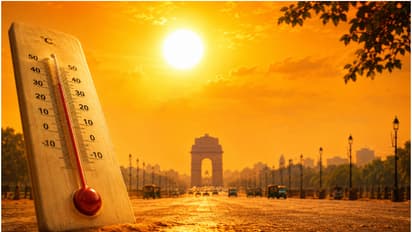
Delhi will experience scorching heat today, September 20, with temperatures reaching up to 36°C and high humidity levels around 86%. Bright sunshine and mostly dry conditions are expected to persist throughout the day, as the southwest monsoon begins its withdrawal.
The national capital is bracing for a particularly challenging day on September 20, as scorching heat, persistent high humidity, and uninterrupted bright sunshine converge to create arduous conditions. With the southwest monsoon beginning its anticipated withdrawal, residents are advised to prepare for predominantly dry and warm weather that marks the transition into the post-monsoon period.
According to the latest meteorological forecasts, maximum temperatures in Delhi are projected to range significantly, hovering between 33 and 36 degrees Celsius. Nighttime relief will be minimal, with the minimum temperature expected to settle between a warm 25 and 27 degrees Celsius, ensuring little respite from the heat even after sunset.
Relentless Heat and Humidity
The city is poised to experience intense, almost suffocating heat, with some forecasts pinpointing a peak temperature of 36°C. This already high temperature will be exacerbated by significantly elevated humidity levels. Forecasts indicate humidity could reach as high as 86%, a figure that will dramatically amplify the perception of heat. This combination means that the 'real feel' temperature will be considerably higher than the actual mercury reading, leading to pervasive discomfort, increased perspiration, and a general feeling of stickiness. Such conditions make prolonged outdoor exposure not only unpleasant but potentially taxing. Despite scattered regional forecasts hinting at light rain in other states, Delhi's skies are expected to remain largely clear to partly cloudy, ensuring the dominance of bright sunshine throughout the day and offering no natural reprieve from the combined heat and humidity.
Monsoon Withdrawal Underway
The India Meteorological Department (IMD) has officially indicated that the southwest monsoon has commenced its gradual withdrawal from various parts of northwest India. This crucial meteorological development is directly contributing to the prevailing dry weather patterns observed across the capital, marking a definitive end to the rainy season. The withdrawal process signals a shift towards more stable and clear weather conditions, though not necessarily cooler ones. Indeed, the IMD's outlook suggests no significant change in maximum temperatures is anticipated over the next seven days, underscoring that the current spell of hot and humid weather is firmly entrenched and expected to persist well into the coming week. This extended forecast leaves little room for immediate improvement in the challenging weather conditions.
Navigating the Humid Heat
The persistent combination of high temperatures and oppressive humidity is set to significantly impact daily life and activities across the national capital. Residents planning outdoor commutes or activities are advised to take extra precautions. The elevated 'real feel' temperatures due to the high humidity can lead to quicker dehydration and increased fatigue. With the sun beating down from mostly clear skies, the urban heat island effect may further intensify the discomfort in densely populated areas. Power consumption is also likely to surge as households and businesses rely heavily on air conditioning and cooling systems to mitigate the effects of the relentless weather.
Stay updated with the Breaking News Today and Latest News from across India and around the world. Get real-time updates, in-depth analysis, and comprehensive coverage of India News, World News, Indian Defence News, Kerala News, and Karnataka News. From politics to current affairs, follow every major story as it unfolds. IMD cities weather forecastsRain Cyclone Asianet News Official App