Chamba School Audit Uncovers Major Flaws in RTE Act Implementation
Synopsis
A social audit of 342 schools in Chamba, Himachal Pradesh, has exposed major failures in RTE Act implementation. The HPU-led report cited poor infrastructure, safety risks, and lack of basic amenities, raising serious concerns about educational quality.
A comprehensive social audit of schools operating under the Sarva Shiksha Abhiyan (SSA) in Chamba district has uncovered significant shortcomings in infrastructure, student safety, basic amenities, governance, and educational quality, raising serious concerns about the implementation of the Right to Education (RTE) Act in one of Himachal Pradesh's most backward districts.
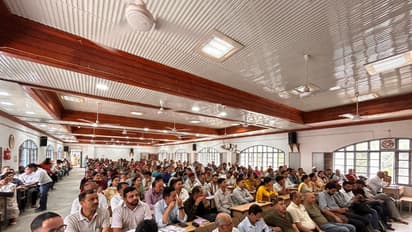
The findings were presented during a public hearing held in Chamba town on Thursday, where more than 600 stakeholders, including parents, teachers, School Management Committee (SMC) members, local representatives, and education officials, participated in discussions on the strengths and weaknesses of the district's school education system.
The social audit was conducted by a team from Himachal Pradesh University (HPU) under the leadership of Dr. Randhir Ranta. The team assessed 342 schools, approximately 20 per cent of the district's 1,636 schools, including institutions in the remote tribal region of Bharmour. The remaining schools will be covered in four subsequent phases of the audit.
Presenting the findings, Ranta said the report paints a concerning picture of the state of school education in the district. "This comprehensive report highlights numerous challenges and gaps that schools are facing. The performance of Chamba's school education system is disappointing when measured against the quality education standards guaranteed to every child under the Right to Education Act," he said.
Major Infrastructure and Safety Lapses
According to the report, nearly one-third of the schools surveyed lack adequate classroom space and sufficient rooms for teaching and non-teaching staff, severely affecting the delivery of educational services. Around 50 per cent of the institutions were found to be without adequate furniture, forcing many students to study without proper seating arrangements.
Student safety also emerged as a major concern. More than half of the schools do not have boundary walls or fencing, exposing children to safety risks. The audit further revealed that nearly 85 per cent of schools are located in areas that are not connected by motorable roads, forcing students to walk long distances and creating additional barriers for children with disabilities.
Critical Gaps in Basic Amenities and Student Health
The report highlights critical deficiencies in basic amenities as well. Around 16 per cent of schools do not have separate toilets for girls, while 17 per cent lack access to drinking water facilities. Three per cent of the schools surveyed do not have kitchens for the Mid-Day Meal programme.
Himanshu, a member of the HPU social audit team, said the audit also exposed significant gaps in menstrual hygiene management. "More than 90 per cent of schools do not provide sanitary pads to adolescent girls, despite the importance of such facilities for ensuring regular attendance and promoting health and dignity," he said.
Deficiencies in Educational Support and Inclusivity
The audit further noted that none of the schools surveyed had access to professional counselling services. Additionally, no school was found to have adequate facilities for children with special needs, indicating a serious lack of inclusivity in the education system.
Library facilities were also found wanting, with over 80 per cent of schools failing to meet prescribed norms and specifications.
Weak Governance and Implementation
The report pointed to weak monitoring and governance mechanisms, observing that lower-ranking education officials were not conducting school visits as frequently as mandated under departmental guidelines.
Another area of concern highlighted in the report was the poor implementation of co-curricular and national integration programmes. The audit found that the "One Nation, Great Nation" programme was not being followed in a majority of schools.
Call for Urgent Corrective Measures
Participants at the public hearing called for urgent corrective measures to address the deficiencies identified by the audit. Parents and community members stressed the need for improved infrastructure, enhanced monitoring, better transport connectivity, and greater accountability within the education system.
The findings are expected to be submitted to the state education department for necessary action. The remaining phases of the social audit are likely to provide a more comprehensive assessment of the challenges facing school education across the district.
Education experts at the hearing emphasised that unless these systemic gaps are addressed, the objective of providing equitable and quality education to every child under the Right to Education framework will remain difficult to achieve in Chamba district. (ANI)
(Except for the headline, this story has not been edited by Asianet Newsable English staff and is published from a syndicated feed.)Stay updated with the Breaking News Today and Latest News from across India and around the world. Get real-time updates, in-depth analysis, and comprehensive coverage of India News, World News, Indian Defence News, Kerala News, and Karnataka News. From politics to current affairs, follow every major story as it unfolds. IMD cities weather forecastsRain Cyclone Asianet News Official App