WATCH: Kilauea Volcano Breaks Historic Eruption Record in Hawaii; Sets New Eruption Record
Hawaii’s Kilauea volcano has entered the record books after its latest eruption episode became the 48th in an ongoing series. The spectacular lava activity has reshaped the summit and continues to captivate observers worldwide
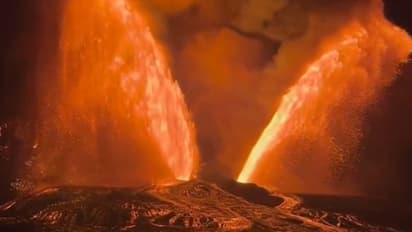
Kilauea, one of the world's most active volcanoes, reached a major milestone after its latest eruption episode began on June 1. The event marked the 48th phase of the ongoing Halemaʻumaʻu eruption, surpassing the previous record of 47 episodes set during the famous Puʻuʻōʻō eruption in the 1980s.
According to scientists, lava fountains from the volcano's northern vent reached heights of up to 650 feet, while volcanic plumes climbed more than 20,000 feet into the atmosphere. Authorities also issued an ashfall advisory for nearby areas as volcanic activity intensified.
ALSO READ: America's Most Dangerous Volcano Could Strike Without Erupting
Frequent Lava Outbursts Transform the Landscape
What makes this eruption particularly remarkable is its consistency. Since the eruption began in December 2024, Kilauea has erupted approximately once every 10 days, producing a rapid succession of lava fountains and volcanic episodes.
The repeated activity has significantly altered the summit region. Volcanic vents have steadily grown and now tower more than 500 feet above their original size. These dramatic changes have created an evolving landscape that continues to attract scientists, residents and visitors eager to witness the phenomenon.