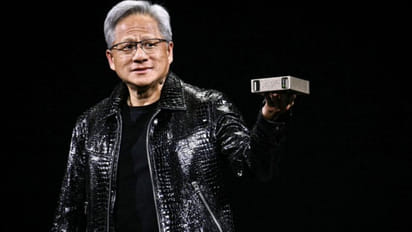
Nvidia has reinstated co-founder Jensen Huang as its president and chief executive officer, less than two weeks after his sudden resignation amid a personal scandal that triggered concerns about a possible Chinese intelligence operation. The company's board voted unanimously to bring him back, saying it was satisfied that his return would not pose a risk to US national security.
The announcement on Monday, November 23, sent Nvidia shares soaring by more than 25% in premarket trading, according to reports. Huang will also return as a member of the company's board, with the decision taking effect immediately.
Nvidia chairman Harvey Jones said the board had held discussions and meetings with Huang before reaching its decision. It also received input from senior US government officials and concluded that his reinstatement did not pose a national security risk.
"The Board believes Jensen is the right person to lead NVIDIA," Jones said in a statement, adding that his return was in the best interests of shareholders, employees, partners and customers.
Huang said he was honoured to return and lead the company at what he described as the beginning of a new industrial revolution. He thanked those who supported him and said he was eager to get back to work.
The board had appointed chief financial officer Colette Kress as interim CEO after Huang resigned on November 12. Following his return, Kress will resume her role as CFO.
Huang's resignation followed reports of an extramarital relationship with a businesswoman identified in media reports as Alice Huang, who is suspected by US intelligence agencies of having links to China's Ministry of State Security.
The reports raised questions about whether the relationship could have exposed Nvidia or sensitive technology to a foreign intelligence operation. Huang acknowledged being unfaithful to his wife and apologised to his family and colleagues. He has not been accused of criminal wrongdoing.
Nvidia announced an independent investigation on November 8, saying it would examine reports that Huang had been targeted by a foreign intelligence effort. The board said at the time that it had no reason to believe national security or company secrets had been compromised.
The alleged intelligence link has not been independently established. Reuters reported that it could not verify the claim, while China's foreign ministry dismissed the allegation as groundless.
The investigation is continuing despite Huang's return. Separately, the California attorney general has issued an investigative subpoena to Nvidia over concerns about possible transfers of advanced chips or confidential information to China. US lawmakers have also sought to question Huang about the matter.
His reinstatement therefore does not mean the allegations have been resolved. The company's internal review and wider US scrutiny remain ongoing.