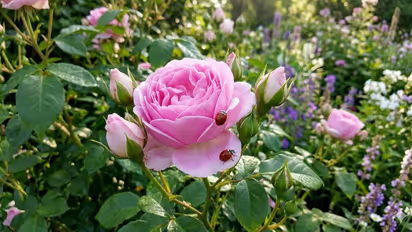
Roses losing their vibrant colour can be a common frustration for gardeners. Five frequent mistakes, including intense sun exposure, inconsistent watering, and nutrient deficiencies, can be to blame.
Ensuring your rose garden remains a vibrant spectacle requires careful attention, as several common errors can lead to these beloved blooms losing their characteristic colour. From environmental factors to plant care, understanding these pitfalls can help gardeners maintain the intensity of their roses.
Many factors, both natural and human-induced, can diminish the vivid hues of rose petals. Identifying the root cause is the first step towards restoring your roses to their full glory.
26
Intense Sun and Heat Exposure
One of the most frequent reasons roses lose their colour is excessive exposure to heat and direct sunlight. Intense sun can bleach or fade rose colours rapidly. While roses generally thrive with at least six hours of direct sunlight daily, very high temperatures, especially during summer, can lead to a noticeable loss in colour saturation. Some rose varieties are more tolerant of heat than others.
36
Inconsistent Watering Practices
Both overwatering and underwatering can stress rose plants, negatively impacting bloom quality and colour. Drought conditions can cause buds to dry out and fail to open, while consistently soggy soil can suffocate roots, hindering their ability to absorb essential nutrients for vibrant blooms. Watering deeply at the base of the plant, rather than overhead, is recommended to prevent water loss and reduce the risk of disease.
The vibrancy of rose colours is closely linked to proper nutrition. A lack of essential nutrients or an imbalance from incorrect fertilisation can significantly diminish bloom quality. For instance, yellowing foliage can signal deficiencies in nitrogen, iron, or magnesium. Conversely, over-fertilising can also harm the plant and impact flower health.
56
Pest Infestations and Diseases
Roses are susceptible to various pests and diseases that can directly affect their blooms and overall health. Pests like thrips can cause buds to dry out or blooms to deform. Fungal diseases such as botrytis blight, black spot, and powdery mildew can distort flowers, lead to discoloured flecks, or reduce the plant's vigour, resulting in faded or unhealthy petals. Prompt identification and treatment are crucial to mitigate damage.
66
Natural Ageing and Varietal Traits
Sometimes, the fading of rose colour is simply a natural part of the blooming cycle. As individual blooms age, their pigments naturally begin to break down. Furthermore, many rose varieties are inherently bred to display a shift in colour as they mature. Cooler temperatures in early spring or autumn often allow for more vibrant and longer-lasting colours compared to the rapid fading observed during peak summer heat.