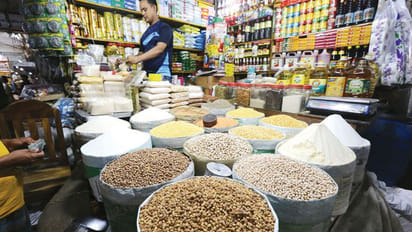
Rising milk, rice, pulses, cooking oil and vegetable prices are straining Bengaluru household budgets as Karnataka records 12.16% food inflation in October, exceeding the national average of 8.94%.
Grocery shopping is becoming increasingly expensive for households in Bengaluru, with rising prices of everyday essentials putting pressure on monthly budgets. From milk and rice to pulses, cooking oil and vegetables, consumers are spending more on basic kitchen supplies.
The situation has become particularly concerning as Karnataka recorded food inflation of 12.16% in October, significantly higher than the national average of 8.94%, according to Consumer Price Index (CPI) data released on November 12.
With essential commodities becoming costlier across several categories, families are finding it increasingly difficult to manage their grocery expenses without compromising on their regular consumption.
28
Karnataka Food Inflation Exceeds National Average
Karnataka's food inflation reached 12.16% in October, considerably exceeding the national average of 8.94%.
The latest figures indicate that consumers in the state are facing a sharper increase in food prices compared with the national trend.
The rising cost of essential commodities has added to the financial pressure on households, particularly in urban areas such as Bengaluru, where families are already managing multiple recurring expenses.
38
Rice, Pulses And Cooking Oil Add To Grocery Bills
The increase in food prices is not restricted to milk and dairy products. Consumers have also reported higher prices of everyday essentials such as rice, pulses and cooking oil.
Vegetables have added to the burden, making routine grocery shopping more expensive.
Since these products are regularly purchased by households, even moderate price increases across multiple categories can significantly affect monthly expenditure.
With grocery bills continuing to rise, some Bengaluru households are changing their shopping habits to control expenses.
Consumers are comparing prices, switching to more affordable brands and choosing cheaper alternatives wherever possible.
Some families are also adjusting the quantities of certain products they purchase to stay within their monthly budgets. However, managing expenses without compromising on the quality and quantity of food remains a challenge.
Apart from food inflation, Karnataka's overall retail inflation also remained above the national average in October.
The state recorded retail inflation of 7.07%, compared with the national figure of 6.09%.
The latest Consumer Price Index figures highlight the wider pressure on consumer spending, with households facing increased costs across essential categories.
68
National Food Inflation Rises In October
At the national level, food inflation increased from 7.74% in September to 8.94% in October.
The rise reflects the growing pressure of food prices on household expenditure across the country.
Karnataka's higher food inflation rate further highlights the challenges faced by consumers in the state, particularly those who depend on regular purchases of essential groceries.
78
Milk Price Hike Adds To Household Expenses
The recent revision in milk prices has further increased the financial burden on households in Karnataka.
From November 1, milk prices were increased by ₹8 per litre, taking the price from ₹46 to ₹54 per litre.
The increase has affected regular household spending, as milk is a frequently purchased essential for many families.
Apart from milk, other dairy products, including curd, ghee and butter, have also become more expensive.
88
Bengaluru Households Face Growing Budget Pressure
The simultaneous increase in the prices of milk, rice, pulses, cooking oil and vegetables is making everyday shopping increasingly expensive for Bengaluru residents.
With Karnataka's food inflation significantly above the national average, families are being forced to reassess their spending priorities and look for ways to manage rising grocery bills.
The growing challenge is to balance household budgets while ensuring that the quality and quantity of food consumed are not compromised.