What is Shimla Agreement, why it was signed, what Pakistan suspending it could mean for India
In a significant escalation of hostilities, Pakistan has announced the suspension of 1972 Shimla Agreement with India, following the recent terror attack in Pahalgam, which resulted in the deaths of 26 individuals, predominantly Hindu tourists.
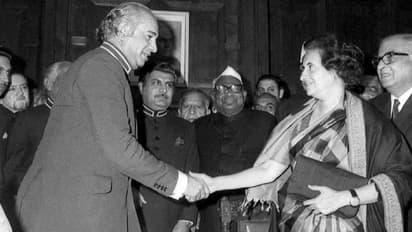
The Shimla Agreement, signed by Indian Prime Minister Indira Gandhi and Pakistani President Zulfikar Ali Bhutto, has been a cornerstone of Indo-Pakistani relations, emphasizing the resolution of disputes through bilateral negotiations and respect for the Line of Control (LoC).
The Pakistani government's decision to suspend the agreement marks a departure from decades of diplomatic protocol and raises concerns about the potential for increased tensions in the region. The Shimla Agreement has long been viewed as a framework for peace and conflict resolution between the two nuclear-armed neighbors.
The Shimla Agreement was signed on July 2, 1972, between India and Pakistan, following the 1971 Bangladesh Liberation War (also called the Indo-Pak war of 1971), in which India decisively defeated Pakistan and over 90,000 Pakistani soldiers surrendered. This led to the creation of Bangladesh, formerly East Pakistan.
The agreement was signed in Shimla, Himachal Pradesh, by Indian Prime Minister Indira Gandhi and Pakistani President Zulfikar Ali Bhutto, marking a significant turning point in India's geopolitics.
Stay updated with the Breaking News Today and Latest News from across India and around the world. Get real-time updates, in-depth analysis, and comprehensive coverage of India News, World News, Indian Defence News, Kerala News, and Karnataka News. From politics to current affairs, follow every major story as it unfolds. IMD cities weather forecastsRain Cyclone Asianet News Official App