What Is Godzilla El Nino? Why India Could Face Heatwaves, Droughts and Floods
What Is Godzilla El Nino? A powerful El Niño event, often called "Godzilla El Niño," is expected to emerge in the Pacific, raising concerns about extreme weather across Asia. Experts warn it could bring droughts, floods, crop losses, prolonged heat
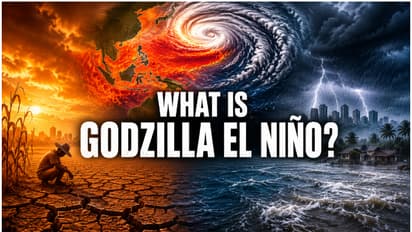
The term "Godzilla El Niño" refers to an exceptionally strong El Niño event capable of disrupting weather patterns across large parts of the globe. Scientists are closely tracking rising sea surface temperatures in the Pacific Ocean, which indicate that a major El Niño could develop in the coming months.
Why Experts Are Calling It a ‘Godzilla’ El Niño
El Niño occurs when ocean temperatures in the central and eastern Pacific become significantly warmer than average. While the phenomenon is a regular part of Earth's climate cycle, particularly intense events are often nicknamed "Godzilla El Niño" because of their ability to trigger widespread and severe weather impacts.
Meteorologists say current ocean conditions resemble the early stages of a strong El Niño, raising concerns about rising global temperatures and increased climate volatility. Historically, powerful El Niño episodes have been linked to extreme weather events across Asia, Australia, Africa and the Americas.
How It Could Impact Southeast Asia
Southeast Asia is expected to be one of the regions most affected by a strong El Niño. Reduced rainfall and prolonged heat could lead to drought-like conditions, placing pressure on water supplies and agricultural production.
However, experts warn that the impacts may not be limited to dry weather. Warmer atmospheric conditions can fuel intense bursts of rainfall, increasing the risk of flash floods and urban flooding. This unusual combination of drought and sudden flooding is often described as climate whiplash, making disaster management more challenging.
Stay updated with the Breaking News Today and Latest News from across India and around the world. Get real-time updates, in-depth analysis, and comprehensive coverage of India News, World News, Indian Defence News, Kerala News, and Karnataka News. From politics to current affairs, follow every major story as it unfolds. IMD cities weather forecastsRain Cyclone Asianet News Official App