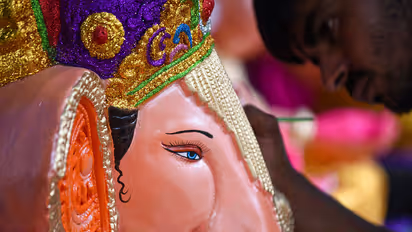
India is gearing up for Ganesh Chaturthi 2025 with vibrant preparations, eco-friendly initiatives, and cultural fervor. From clay idols to grand pandals, the country is set to welcome Lord Ganesha with devotion, tradition, and community spirit.
Ganesh Chaturthi celebrates the birth of Lord Ganesha, the Hindu god of wisdom, prosperity, and remover of obstacles. His arrival is believed to bring good fortune and remove negativity. Ganesha is invoked at the start of new ventures, prayers, and rituals. The festival marks the beginning of auspicious times and is often the first major celebration after monsoon. It reminds devotees to let go of ego (represented by Ganesha's pot belly) and seek wisdom and humility. Especially in states like Maharashtra, Karnataka, Goa, and Andhra Pradesh, the festival fosters community bonding. People of all backgrounds come together to build and worship pandals, sing bhajans, and share prasad. It breaks social barriers and promotes unity. Artists create beautiful and intricate idols of Ganesha. It revives traditional crafts, music, dance, and theatre. Cultural programs and plays (like the famous Lalbaugcha Raja darshan) add vibrancy to cities and towns.
26
Countdown Begins
The 10-day festival, concluding on September 6, marks the arrival of Lord Ganesha into homes and public spaces. Devotees across the country are getting ready for the auspicious installation of idols, with families carefully observing the exact timing considered most favorable for the ritual (known as pran pratishtha). Cities are buzzing with anticipation as artisans, vendors, and event organizers finalize last-minute arrangements.
36
Soaring Costs, Stronger Community Bonds
There’s a noticeable shift towards sustainable practices. More devotees are choosing clay idols and opting for natural, biodegradable decorations. Local authorities and NGOs are encouraging eco-conscious celebrations by promoting artificial immersion tanks and discouraging plastic usage. Paints made from organic materials and idols without harmful chemicals are being widely adopted, reducing the festival’s environmental impact without compromising on beauty or tradition. The prices of Ganpati idols, especially large ones used in public pandals, have seen a significant rise, with some idols costing over Rs 50,000. Despite the expense, community efforts are stronger than ever.
At the household level, preparations include thorough cleaning, setting up puja altars, and designing colorful rangolis. Families are stocking up on essentials such as flowers, modaks, and other traditional offerings. Kitchens are filled with the aroma of festive delicacies like puran poli, laddoos, and karanjis. Beyond rituals, Ganesh Chaturthi is a time for togetherness, where music, prayers, and food bring warmth to every home. Public celebrations are not limited to worship. Across cities and towns, cultural programs featuring dance, music, drama, and exhibitions are planned during the festival. Many schools and colleges are hosting workshops where children learn to make eco-friendly idols, take part in art contests, and explore the significance of Lord Ganesha through storytelling and drama.
56
Special Train Introduced
On August 23, 2025, the festive spirit in Mumbai took a vibrant turn as the Modhi Express, a special train launched for Ganesh Chaturthi, departed from Dadar Railway Station en route to Sawantwadi. This seasonal service is part of Indian Railways' annual initiative to support the heavy rush of devotees traveling to their hometowns in Konkan and other coastal regions to celebrate the arrival of Lord Ganesha.
66
Regional Flavours and Diverse Traditions
While Maharashtra remains the heart of Ganesh Chaturthi celebrations, other regions across India bring their own distinct customs to the festival. In Goa, homes are adorned with Matoli, canopies decorated with forest produce, fruits, and flowers, symbolizing nature’s abundance. In Karnataka, special emphasis is placed on rituals involving sacred leaves, while in Andhra Pradesh and Telangana, large community processions and traditional dances add grandeur to the immersion day. These regional differences not only enrich the cultural tapestry of the festival but also highlight how Lord Ganesha is honored uniquely across the country.