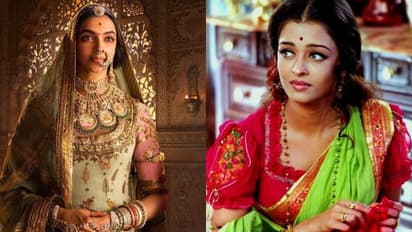
Sanjay Leela Bhansali's films are known for their grand visuals, but it is his unforgettable female characters who often leave the deepest impact. Fierce, fearless, and unapologetically strong, Bhansali's heroines speak with conviction, challenging societal norms, defending their dignity, and embracing their truth. Their dialogues are more than just memorable lines they are powerful expressions of courage, resilience, and self-worth that continue to resonate with audiences across generations.
28
"Besharam, Badtameez, Khudgarz hota hai par pyaar toh aisa hi hota hai"
This dialogue beautifully captures the unpredictable and imperfect nature of love. It suggests that love doesn't always follow rules or reason it can be reckless, stubborn, and all-consuming. Through this line, Bhansali reminds us that true love isn't flawless; it's messy, passionate, and fearless enough to defy logic, making it one of the film's most memorable expressions of romance.
38
"Kiski talvar par sar rakhon yeh bata do mujhe, ishq karna agar khata hai toh saza do mujhe."
This poetic dialogue captures Mastani's unwavering devotion and the emotional burden of loving someone the world refuses to accept. Ready to face any punishment if her love is considered a crime, she embraces both the pain and the consequences of her choices. The line beautifully reflects her courage, resilience, and belief that true love is worth every sacrifice.
"Aap humse hamari zindagi maang lete, hum aapko khushi khushi de dete... par aapne toh humse hamara guroor cheen liya."
More than heartbreak, this dialogue speaks of wounded dignity. It reflects the idea that while love may demand sacrifice, losing one's self-respect is perhaps the deepest pain a person can endure.
58
Yun nazar ki baat ki aur dil chura gaye... hum toh samjhe the buddhu, aap toh dhadkan suna gaye.”
This heartfelt dialogue captures the innocence and sweetness of Paro's love for Devdas. Filled with playful affection and genuine emotion, it reflects the comfort and deep bond they share before fate drives them apart, making their love story all the more poignant and unforgettable.
68
"Arey jab shakti, sampatti aur sadbuddhi yeh teeno hi aurtein hai, toh in mardo ke kis baat ka guroor?"
With this bold statement, Gangubai challenges the deeply rooted patriarchy that places men above women. By reminding society that strength, prosperity, and wisdom are all symbolically feminine, she redefines power and questions the very foundation of male superiority with remarkable confidence and wit.
78
"Rajputi kangan mein utni hi taqat hai jitni Rajputi talwar mein."
This powerful dialogue celebrates the courage and resilience of Rajput women. It emphasizes that a woman's strength is equal to that of a warrior on the battlefield, reinforcing the idea that bravery is not defined by gender but by one's spirit, conviction, and honor.
88
"Pyaar ka karobar toh bohot baar kiya hai... magar pyaar sirf ek baar."
This poignant dialogue reflects Chandramukhi's belief that while life may bring countless relationships, true love comes only once. Despite her circumstances, she values love as something pure and irreplaceable, revealing her emotional depth, vulnerability, and unwavering devotion that transcends society's perceptions of her.