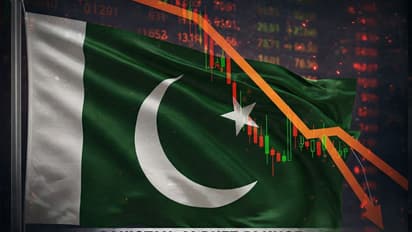
Pakistan's economy has been severely impacted by India's actions following the Pahalgam terror attack. The Karachi Stock Exchange (KSE) experienced a significant drop, and the Pakistani Rupee plummeted. Learn about the current situation.
India's strong response to the Pahalgam terror attack caused a sharp decline in Pakistan's Karachi Stock Exchange (KSE) on April 24. The main KSE-100 index fell nearly 2%, closing at 115,019.82 points. This marked the second consecutive day of decline, increasing investor concern and leading to significant selling.
25
India's Actions Increase Pakistan's Tension
India's actions include revoking the Indus Water Treaty, immediately closing the Wagah-Attari border, and ending visa exemptions for Pakistani citizens under SAARC. Following these decisions, Pakistan held an emergency meeting of the National Security Committee to review the situation.
35
Economic Crisis Threatens Pakistan
The IMF lowered its GDP growth forecast for Pakistan to 2.6% for FY25. Just a day earlier, the IMF had projected 3% growth in January, which has now been reduced due to economic risks and external challenges.
Fitch Ratings has identified the weakening rupee, political instability, and increasing security tensions in Kashmir as the biggest risks for investors in Pakistan. The agency stated that Pakistan needs to implement reforms for the next IMF review and multilateral and bilateral financing.
55
Pakistan's Forex Reserves Decline
According to Reuters, the State Bank of Pakistan (SBP) reported that foreign exchange reserves decreased by $367 million to just $15.436 billion in the week ending April 18. Pakistan needs to import essential goods like oil, medicine, gas, and machinery, which is impossible without dollars. This will lead to skyrocketing inflation, further decline of the Pakistani rupee, difficulty in repaying foreign debt, and an increased risk of default.