White or black smoke? Vatican begins secretive papal conclave
Synopsis
A total of 133 cardinal electors, all under the age of 80, are eligible to vote in this conclave — the highest number in history.
The Roman Catholic Church has officially begun the papal conclave — the ancient, secretive process of selecting a new pope — following the death of Pope Francis on April 21. The event commenced on Wednesday in Vatican City, drawing 220 cardinals from across the globe to elect the 267th pontiff in Church history.
A total of 133 cardinal electors, all under the age of 80, are eligible to vote in this conclave — the highest number in history. Of these, 108 were appointed by the late Pope Francis, reflecting his lasting influence on the Church’s direction. The electors represent a diverse range of nations: 17 from Italy, five each from Spain and France, 10 from the United States, and a broad presence from Latin America, Africa, Asia, and Oceania. Argentina, Francis' home country, has four voting cardinals.
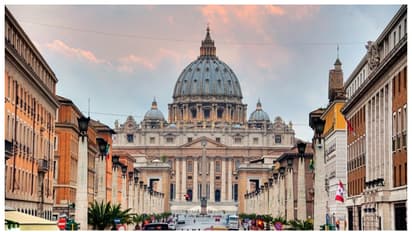
The process began with a mass at St. Peter’s Basilica on Wednesday morning, attended by all 220 cardinals. In the afternoon, the cardinal electors processed to the Sistine Chapel via the Pauline Chapel. There, at around 5 p.m. local time, the Master of Ceremony will declare “extra omnes” — Latin for “everyone out” — signaling the start of voting.
Strict secrecy governs the conclave, with all cardinals swearing an oath of confidentiality. Voting occurs twice each in the morning and evening — up to four ballots daily. After each round, ballots are burned in a special chimney atop the Sistine Chapel. Black smoke means no consensus has been reached; white smoke indicates a new pope has been elected.
Historically, the conclave may last from a few hours to several days. No papal election since 1831 has extended beyond four days. If no candidate secures a two-thirds majority after three days, voting is paused for 24 hours for reflection. Another series of ballots follows, and if deadlock persists after about 13 days or 33–34 votes, a runoff between the top two candidates is held, as per reforms introduced by Pope Benedict XVI.