Taliban Bans Women's Names in Afghanistan, Orders Them to Be Called 'Bibi', 'Goat' or 'Cow': Reports
Synopsis
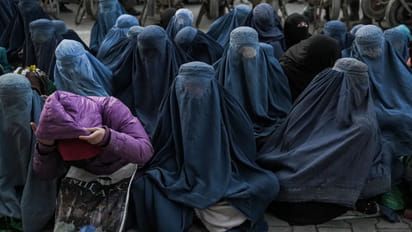
The Taliban has reportedly banned the use of women's real names on official documents in Afghanistan's Balkh province. This controversial directive forces the use of generic or derogatory terms, sparking outrage over the erasure of female identity and raising severe concerns for healthcare access.
In yet another controversial move targeting women’s identity and rights, Taliban has reportedly banned use of real names of women in official documents in northern Balkh province of Afghanistan. The directive says women’s names should be replaced with generic terms such as “Bibi” for government employees and health workers. In some cases, women are allegedly being referred to using derogatory words such as 'goat' and 'cow'.
The order is for official records such as hospital documents, medical files and prescriptions. The change has sparked criticism from women’s rights activists, who say it further robs Afghan women of their individual identities and dignity.
According to the reports, the order came in May 2026 from officials linked to the Taliban’s Ministry for the Propagation of Virtue and Prevention of Vice. The issue gained further prominence after an investigation by Afghan media outlet Zan Times and The Guardian newspaper.
Why Are Afghan Women Being Called 'Bibi'?
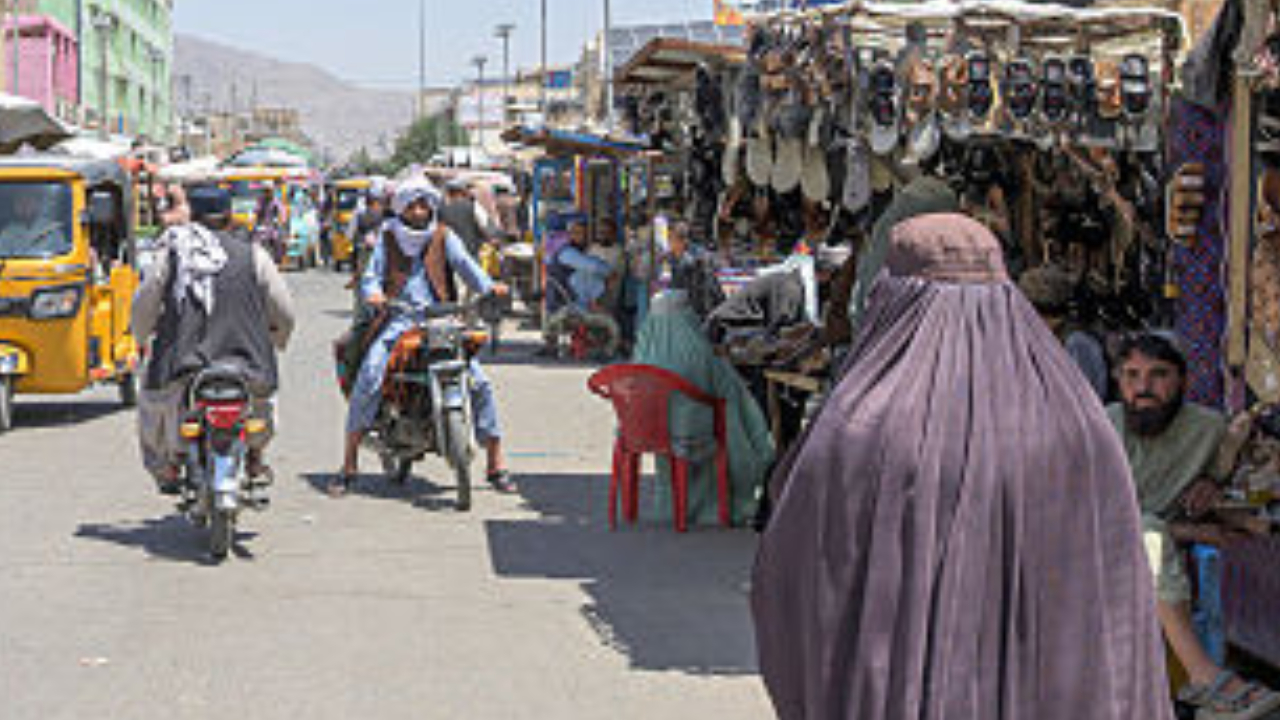
The term 'Bibi' is traditionally used in Afghanistan as a form of address for women and is commonly associated with an older woman or grandmother. However, activists argue that making it compulsory in official records is fundamentally different from using it as a respectful form of address.
Women's rights activist Laleh Osmany condemned the practice in the strongest terms as a systematic attempt to dehumanise women. She also quoted reports of some women being identified by degrading animal-related terms including 'goat' and 'cow'.
Osmany says the practice of erasing women’s real names from official records makes them “the sum of their individual identities” and perpetuates the notion that they are only defined in relation to male family members.
The practice also mirrors traditional social customs in parts of Afghanistan where women have been known by their relation to a man, such as wife or daughter, not by their own names. Women's names have also frequently been omitted from wedding invitations and gravestones.
Taliban Directive Raises Concerns Over Women's Healthcare
The reported restriction has raised serious concerns about the functioning of hospitals and healthcare facilities.
Medical professionals need to be able to identify patients accurately to be able to keep records, write prescriptions and provide correct treatment. If several women are registered under the same generic name, such as 'Bibi', identifying individual patients could become difficult.
Activists have warned it could raise the risk of confusion in medical records, prescription mix-ups and treatment-related errors.
The concerns are particularly acute considering that Afghan women already face barriers to healthcare access. The Taliban has placed restrictions on women’s education and employment in the medical sector and male doctors have also been restricted in treating female patients in some regions.
These measures have further complicated women's access to essential medical services.
Osmany warned that erasing women’s names from official documents can have consequences beyond the social recognition of women and can affect their ability to establish legal relationships, claim rights and access essential services.

Afghan Women's Rights Under Taliban Rule
The reported ban comes amid a series of restrictions imposed on Afghan women since the Taliban returned to power in August 2021.
Women and girls have been denied access to higher education, employment, and movement and participation in public life. Girls have also been barred from continuing their education beyond certain levels, while women have been excluded from several professional sectors.
The latest directive concerning women's names has added another dimension to concerns over their legal and social identity.
For now, the reported ban appears to be limited to Balkh province and there is no confirmed evidence that it is being applied across the country. However, women's rights activists fear that a local directive could eventually be extended to other parts of Afghanistan.
The controversy has once again drawn international attention to the growing restrictions on Afghan women and their struggle to retain their identity, dignity and fundamental rights.