Pakistan Faces Economic Shock as Iran War Pushes Oil Bill to $800 Million: PM Shehbaz Sharif
Synopsis
Pakistan's PM warns the Iran conflict is severely straining the nation's economy and threatening its fragile recovery. The monthly oil import bill has surged from $300 million to $800 million, prompting daily monitoring by a government task force.
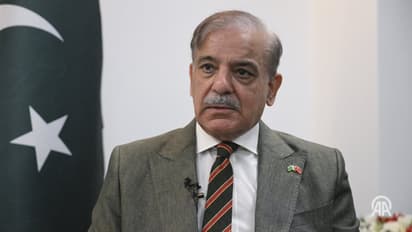
Pakistan Prime Minister Shehbaz Sharif has warned that the ongoing conflict involving Iran is creating a serious economic strain on Pakistan, threatening the fragile recovery his government has worked to build over the past two years. Speaking during a cabinet meeting in Islamabad, Sharif said the fallout from the war has sharply increased Pakistan’s energy costs and added fresh pressure on an already vulnerable economy.
According to Sharif, Pakistan’s monthly oil import bill has surged from $300 million to $800 million, driven by rising crude prices and instability across the Middle East. The sudden spike has forced the government to reassess its financial planning as inflation and foreign exchange concerns continue to weigh on the country.
Sharif told ministers that a dedicated task force is now reviewing the situation every day to measure the impact of the regional crisis on fuel supplies, trade flows and domestic prices. Stressing the scale of the challenge, he said, “Collective efforts are needed to tackle the challenges.”
Also Read: “Not A Suitable Intermediary”: Iran Lawmaker Questions Pakistan’s Mediation Role
The Pakistani leader also highlighted Islamabad’s diplomatic role in trying to reduce tensions between Washington and Tehran. He said Pakistan had hosted lengthy talks between the two sides earlier this month and remains committed to helping prevent a wider regional conflict. Sharif described the 21-hour negotiations in Islamabad as a significant step toward regional stability and said his government would continue engaging with both countries.
Referring to recent contacts with Iranian officials, Sharif said, “Before the Iranian foreign minister visited Russia, I spoke with him on the phone, in which he assured me that all his meetings in Oman were held with sincerity of intent, and after consultation with his leadership... he will give a positive response soon.”
Pakistan has been especially vulnerable to global energy disruptions because it relies heavily on imported fuel to power industries and households. Analysts say any prolonged conflict in the Gulf could deepen Pakistan’s balance-of-payments pressures and further weaken investor confidence. Broader regional economic concerns are already being reflected across emerging markets as energy prices rise and trade routes face disruption.
Sharif expressed hope that diplomatic efforts would eventually succeed in calming tensions, but his warning underlines how even countries outside the battlefield are beginning to feel the financial consequences of the Iran war. For Pakistan, the crisis is becoming not just a foreign policy challenge, but an economic one with potentially long-lasting consequences.
Also Read: Pakistan's Double Game Exposed! Is Islamabad Secretly Aiding US War Efforts Against Iran?