NISAR: India and USA’s Space Marvel Guarding Our Planet
Synopsis
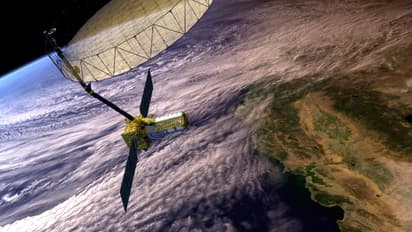
NISAR is a super-smart satellite with a massive 13-meter-wide radar antenna, shaped like a giant circular dish.
Picture a high-tech satellite soaring 700 kilometers above Earth, scanning our planet with a giant radar that unfolds like a blooming lotus. This isn’t a sci-fi film—it’s NISAR, the NASA-ISRO Synthetic Aperture Radar mission, a groundbreaking collaboration between India’s ISRO and America’s NASA. Set to launch in June 2025 from Sriharikota’s Satish Dhawan Space Centre, this $1.5 billion project will transform how we understand and protect our world.
What is NISAR and Why is it Unique?
NISAR is a super-smart satellite with a massive 13-meter-wide radar antenna, shaped like a giant circular dish. Once launched by ISRO’s powerful GSLV rocket, this antenna will unfold in space like a carefully crafted origami, stretching out to scan Earth’s entire surface every 6 to 12 days for three years. Unlike regular satellites that take photos with cameras, NISAR uses two special radars—L-band (24 cm wavelength) and S-band (10 cm wavelength)—to “see” through clouds, darkness, forests, soil, and even ice. It can detect changes as tiny as a centimeter, making it a super-sleuth for tracking Earth’s secrets.
Every day, NISAR will send back 85 terabytes of data—equal to millions of smartphone selfies—and the best part? This data will be free for everyone, from scientists to students, to use. It’s like an open library of Earth’s health, ready to help us solve big problems.
India and USA: A Dream Team in Space
NISAR is a shining example of India-USA friendship, with both nations bringing their best to the table:
- India’s Contributions: ISRO is the backbone of this mission’s launch and construction. India designed and built the main spacecraft body, which houses all the satellite’s systems. ISRO also provides the S-band radar, a key tool for scanning Earth’s surface. The GSLV rocket, a pride of Indian engineering, will carry NISAR into orbit from Sriharikota. Plus, ISRO will manage the mission’s operations, ensuring the satellite runs smoothly for three years.
- USA’s Contributions: NASA brings its expertise in the L-band radar, which can peer deeper into soil and ice than the S-band. They’ve also provided high-tech communication systems to beam NISAR’s massive data back to Earth and the 13-meter antenna, a marvel of engineering. NASA’s scientists and engineers worked hand-in-hand with ISRO to make this radar system one-of-a-kind.
Together, these contributions create a satellite greater than what either country could build alone. Thousands of engineers, scientists, and students from India and the USA have poured their hearts into this project, making it a symbol of peaceful, creative teamwork.
Why NISAR Matters to India
India is a land of vibrant diversity—Himalayan glaciers, monsoon-drenched fields, and bustling coastal cities. But we face challenges like floods, droughts, earthquakes, and climate change. NISAR’s superpowers will help us tackle these issues, making life better for everyday Indians:
1. Boosting Our Farms: India’s farmers rely on rains and rivers to grow rice, wheat, and more. NISAR will track soil moisture and groundwater levels, helping farmers decide when to irrigate or brace for droughts. It can even spot different crops, aiding the government in planning food supplies. For a farmer in Uttar Pradesh or Andhra Pradesh, this means better yields and less stress.
2. Guarding Our Himalayas : The Himalayas feed rivers that millions depend on, but glaciers are melting fast. NISAR’s radar will measure ice loss across the entire range, helping us plan water storage and protect villages from floods. This is crucial for states like Uttarakhand and Himachal Pradesh.
3. Tackling Floods and Sea Rise : From Kolkata to Mumbai, our coasts face rising seas and heavy rains. NISAR will monitor polar ice caps (which drive sea level rise) and flood-prone areas, improving weather forecasts. This will help cities prepare for storms, saving homes and lives.
4.Earthquake Safety : Earthquakes strike places like Gujarat and the Northeast. NISAR’s radar will detect tiny shifts in the Earth’s crust, giving scientists clues about quake-prone areas. While predicting quakes isn’t possible yet, this data will help rescue teams act faster, saving precious lives.
5. Safer Cities and Roads : NISAR will check the stability of bridges, dams, and buildings, ensuring safer infrastructure. Whether you’re in a village or a city like Chennai, this means fewer accidents and stronger homes.
All this for just ₹100 per Indian over three years—less than a chai and samosa combo! NISAR is like a tireless watchman, keeping India safe and sustainable.
A Bright Future for India’s Space Journey
NISAR puts India in the global spotlight as a space leader. ISRO’s triumphs, from Chandrayaan to Mangalyaan, have already made us proud. Now, NISAR’s free data opens doors for our students, researchers, and startups. Imagine a young coder in Hyderabad building a drought-alert app or a scientist in Pune studying climate change with NISAR’s data. This mission could spark new businesses and discoveries, boosting India’s economy and reputation.
For the common Indian, NISAR brings hope—hope for safer homes, better harvests, and a greener planet. It’s a chance for our kids to dream big, knowing India is helping the world “see” Earth in a new way. So, when you gaze at the stars, remember: NISAR will be up there, its 13-meter dish spinning silently, thanks to the brilliance of Indian and American minds united.
Let’s cheer for NISAR—a giant leap for India, the USA, and our shared home, Earth!
(Girish Linganna is an award-winning science communicator and a Defence, Aerospace & Geopolitical Analyst. He is the Managing Director of ADD Engineering Components India Pvt. Ltd., a subsidiary of ADD Engineering GmbH, Germany. Contact: girishlinganna@gmail.com)