Iran Protests Escalate Into 12th Day: Government Buildings Set Ablaze Amid Internet Blackout
Synopsis
Widespread protests across Iran, sparked by economic hardship, have intensified into a significant anti-government movement. For twelve days, demonstrators in over 100 cities have challenged the clerical leadership, setting fire to state buildings.
Widespread protests across Iran have intensified as demonstrators take to the streets for the twelfth consecutive day, escalating a movement that has grown into the most significant challenge to the country’s clerical leadership in years.
What began in late December 2025 as a response to a plunging currency and rising economic hardship has evolved into a broad anti-government uprising marked by scenes of defiance, fiery clashes, and sweeping unrest nationwide.
The crisis first erupted after rising inflation and the collapse of the rial sparked demonstrations in Tehran’s major markets, where shopkeepers shut down the bazaar over economic grievances. In the days that followed, protests spread to more than 100 cities and towns across all 31 provinces, fuelled by anger over soaring living costs, unemployment, and frustration with the country’s political system.
Protests escalates on 12th day
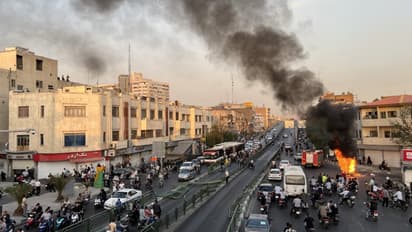
On the twelfth day of protests, large crowds were seen setting fire to government and state broadcasting buildings, including footage from Tehran showing fiery plumes and thick smoke rising from public structures amid chants against the regime. The escalation underscores the deep public dissatisfaction and growing willingness among protesters to challenge state authority directly.
Amid the unrest, Iranian authorities imposed a nationwide internet blackout and restricted international phone communications in an apparent attempt to stifle the movement and hinder the flow of information. NetBlocks and other monitoring groups confirmed that digital access has been severely curtailed, though protesters continued to mobilize on the ground despite the communications shutdown.
Political figures exiled abroad, most notably Reza Pahlavi, the son of Iran’s last king, issued calls for nationwide demonstrations that helped galvanize crowds, with chants heard in multiple cities of “Death to the dictator!” and other anti-regime slogans. Thousands have marched across Tehran, Mashhad, Shiraz, and other major urban centres in defiance of official crackdowns.
The regime’s crackdown has also drawn international condemnation. Iranian state media has attempted to shift blame for the violence, claiming foreign “terrorist agents” from the US and Israel are inciting unrest -- assertion analysts widely regard as propaganda aimed at discrediting the domestic movement.
Human rights organisations report that at least 45 protesters have been killed and thousands detained in connection with the unrest, with security forces using lethal force to disperse crowds in several cities. Despite these heavy‐handed measures, the protests have shown remarkable resilience, reflecting deep-seated public demand for economic relief and political reform.
The ongoing crisis in Iran highlights not only the immediate struggles over economic conditions and political freedoms, but also the enduring tensions between citizens and a government facing widespread discontent, economic collapse, and increasing pressure from both domestic and international actors.